
Maintaining consistent indoor comfort and airflow is crucial for creating a pleasant living or working environment. Professional HVAC services play a vital role in ensuring that your air conditioning (AC) system operates efficiently to meet these demands. Here’s an in-depth look at how professional expertise makes a difference.
Comprehensive System Inspections
- Filters: Dirty or clogged filters can restrict airflow and reduce comfort levels. Professionals ensure regular cleaning or replacement.
- Ductwork: Leaks, blockages, or poor design in duct systems can disrupt airflow. Technicians inspect ducts to optimize performance.
- Blower Components: Properly functioning blowers are essential for even distribution of air across spaces.
By addressing these areas, professionals prevent common problems that compromise indoor comfort and airflow.
Regular Maintenance Services
- Cleaning condenser coils to improve efficiency.
- Checking refrigerant levels and recharging if necessary.
- Lubricating moving parts like motors to prevent wear and tear.
- Testing electrical connections for reliability.
Routine servicing helps minimize breakdowns while ensuring an uninterrupted supply of cool, evenly distributed air throughout your home or office.
Optimizing System Performance
- Zoning Systems: Technicians can install zoning systems to control airflow independently in different areas for tailored comfort.
- Smart Thermostats: These devices help regulate temperature with precision, often learning your preferences over time.
- Airflow Balancing: Professionals measure airflow output at vents to make fine adjustments that eliminate hot or cold spots.
By implementing these solutions, they enhance the overall efficiency of your cooling system.
Emergency Repairs When Needed
Breakdowns can disrupt indoor comfort dramatically, especially during peak summer months. Hiring a professional HVAC service ensures timely response to emergencies such as compressor failure, refrigerant leaks, or motor malfunctions.
Additionally, they carry essential tools and have access to high-quality replacement parts—reducing downtime significantly compared to DIY fixes.
Discover the Benefits of Professional Orlando AC Installation Services
| Benefit | Impact on Comfort & Airflow |
| Thorough Inspections | Identifies hidden issues early |
| Routine Maintenance | Prevents unexpected breakdowns |
| Optimization Techniques | Delivers balanced cooling performance |
| Emergency Repairs | Restores functionality promptly |
Why Trust Professionals?
Qualified technicians possess the expertise and certifications needed to handle complex AC components safely and effectively. Their training ensures compliance with local regulations while maintaining warranty requirements on newer systems.
Investing in professional HVAC services not only secures consistent indoor comfort but also extends the life span of your AC unit—offering peace of mind for years ahead.
Expert Tips for Orlando AC Repair to Boost Energy Efficiency and System Reliability
Optimizing energy efficiency in your air conditioning (AC) system not only reduces utility bills but also enhances the overall performance and longevity of the unit. An efficient AC system operates with minimal energy waste while maintaining consistent indoor temperatures, ensuring a comfortable environment for occupants. Below are key strategies to maximize energy efficiency.
Regular Maintenance is Key
Routine maintenance is one of the most effective ways to improve energy efficiency. A well-maintained AC system runs smoothly, reducing strain on components and lowering energy consumption. Consider the following essential maintenance tasks:
– Clean or replace air filters regularly (typically every 1-3 months). Dirty filters restrict airflow, making your system work harder. – Inspect and clean evaporator and condenser coils at least once a year to prevent dirt buildup. – Lubricate moving parts, such as fans or motors, to minimize friction. – Check refrigerant levels to ensure they meet manufacturer specifications.
Seal Air Leaks in Your Home
Energy efficiency goes beyond the AC unit itself—your home’s structure plays an important role. Sealing gaps around doors, windows, vents, and ductwork prevents cooled air from escaping and stops warm air from seeping inside. Use caulk or weatherstripping where necessary and consider insulating ducts located in attics or crawl spaces.
Upgrade to Energy-Efficient Equipment
If your current AC system is outdated, upgrading to an energy-efficient model can make a substantial difference in performance. Look for systems with:
– High Seasonal Energy Efficiency Ratio (SEER) ratings; models with SEER ratings of 14 or higher are recommended in most regions. – ENERGY STAR certification, which indicates compliance with strict energy-efficiency standards set by the U.S. Environmental Protection Agency.
While newer systems may require an upfront investment, they offer long-term savings through reduced power usage.
Optimize Thermostat Placement and Fan Use
Thermostat location impacts how efficiently your AC operates. Avoid placing thermostats near heat sources like ovens or direct sunlight since this can cause inaccurate readings that lead to overcooling. Additionally: – Use ceiling fans alongside your AC unit; fans help circulate cooled air evenly throughout spaces. – Set fan blades counterclockwise during summer months for optimal airflow.
Benefits of Proper Energy Efficiency Practices
Adopting these practices ensures that your AC system provides reliable cooling without excessive wear-and-tear or elevated operating costs. Benefits include:
1. Lower annual utility expenses due to reduced power consumption. 2. Prolonged lifespan of critical components like compressors and motors. 3. A smaller carbon footprint as less electricity usage translates into lower greenhouse gas emissions.
By taking steps toward maximizing energy efficiency, you’ll not only stabilize your AC’s performance but also contribute toward creating an environmentally sustainable home environment.
Enhancing Air Quality for Improved Comfort and Overall System Performance
Air quality plays a vital role in maintaining a comfortable and healthy indoor environment. Your AC system does more than just regulate temperature — it also helps filter pollutants, control humidity, and circulate clean air throughout your home or office. Enhancing air quality not only improves overall comfort but also ensures the efficiency and longevity of your AC unit. Here’s how air quality impacts both comfort and system performance, along with actionable steps to optimize it.
How AC Systems Influence Indoor Air Quality
- Filtration: Most AC systems are equipped with air filters that trap dust, pollen, pet dander, and other airborne contaminants.
- Humidity Regulation: By removing excess moisture from the air, your AC system prevents mold growth and reduces allergens.
- Air Circulation: Proper airflow ensures that stale air is pushed out while fresh, filtered air is evenly distributed throughout your space.
Tips for Improving Air Quality with Your AC System
- Check filters every 1–3 months depending on usage and the type of filter installed.
- Use high-efficiency particulate air (HEPA) filters for better pollutant removal.
- Hire certified HVAC technicians for periodic inspections to prevent dust buildup inside the system.
- Ensure evaporator coils, ducts, and vents are cleaned during servicing.
- Consider integrating an advanced filtration system or UV light technology into your HVAC unit to eliminate bacteria and viruses.
- Leaky ducts can allow unfiltered outdoor pollutants into your airflow.
- Proper sealing enhances both efficiency and indoor air cleanliness.
- Maintain humidity levels between 30-50%. Use a dehumidifier if necessary during humid seasons.
Common Pollutants Addressed by Your AC System
| Pollutant | Source | Impact on Health | How AC Helps |
| Dust Mites | Carpets, bedding | Allergies, asthma | Filters capture particulates |
| Mold & Mildew | High humidity | Respiratory issues | Controls moisture levels |
| Pet Dander | Pets | Allergic reactions | Removes dander through filtration |
| VOCs (Volatile Organic Compounds) | Cleaning products | Headaches, irritation | Better ventilation reduces VOCs |
| Pollen | Outdoors (via open windows/doors) | Allergies | Traps pollen using effective filters |
Benefits of Enhanced Air Quality
- You lower health risks such as allergies or respiratory problems caused by poor-quality air.
- The overall comfort of occupants improves as fresher airflow promotes well-being.
- Your HVAC equipment functions more efficiently since it is free from clogs caused by dirt buildup.
Taking proactive measures now will not only elevate daily comfort but will also protect one of the most critical components in your household — the AC system itself — ensuring reliable performance year-round.
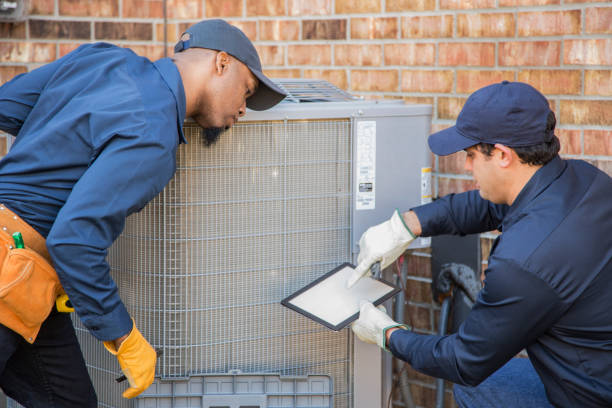
The Role of Humidity Control in Achieving Optimal Indoor Balance with Your AC System
Proper humidity control is a critical component of maintaining an efficient and comfortable indoor environment. Air conditioning systems are not only responsible for cooling the air but also for regulating humidity levels, which can directly impact comfort, air quality, and the overall performance of the system.
Why Humidity Control Matters
- Promotes the growth of mold, mildew, and bacteria.
- Makes indoor spaces feel warmer, leading to increased use of your AC system.
- Causes discomfort due to sticky or clammy air.
- Contributes to potential damage to furniture, wooden floors, and electronics due to excess moisture.
- Creates dry conditions that may irritate skin and respiratory passages.
- Can cause wooden furniture or flooring to shrink or crack over time.
- Leads to increased airborne dust particles.
By managing humidity effectively, you can create a balanced indoor environment that is both healthier and more comfortable.
How AC Systems Help Regulate Humidity
- Dehumidification Process: When warm air passes over the evaporator coil in your AC unit, the coil cools it down while condensing moisture out of it. The condensed water is then drained away from your system.
- Thermostat Integration: Many advanced thermostat systems now include features for monitoring and adjusting humidity levels automatically based on preset preferences.
- Variable-Speed Compressors: Some modern units have multi-speed compressors that adjust airflow speed as needed, improving dehumidification while maintaining energy efficiency.
Benefits of Maintaining Proper Humidity with Your AC System
- Enhanced Comfort: Balanced moisture levels prevent stuffy or overly dry conditions indoors.
- Improved Air Quality: Reduced risk of mold growth ensures a healthier living space by eliminating allergens.
- Energy Savings: When humidity is properly controlled, you can set your thermostat at a slightly higher temperature without sacrificing comfort—resulting in lower energy bills.
- System Longevity: By preventing excessive strain caused by high moisture levels, you help extend the lifespan of your AC equipment.
| Ideal Indoor Humidity | Impact on Comfort | Impact on Energy Efficiency |
| Below 30% | Uncomfortably Dry | Increased Heating Costs |
| Between 30%-50% | Optimal Balance | Energy Efficient |
| Above 50% | Too Moist | Increased Cooling Costs |
Tools for Better Humidity Control
- Whole-House Dehumidifiers – Installed directly into HVAC systems; ideal for regions with high year-round humidity.
- Smart Thermostats – Offer precise control over both temperature and moisture settings.
- Humidity Sensors – Standalone devices that monitor rooms where moisture tends to accumulate (e.g., basements).
Proper maintenance of your HVAC system is essential for effective dehumidification. Regularly cleaning filters, checking condensate lines for clogs, and scheduling annual professional inspections will ensure optimal performance when managing indoor humidity levels efficiently.
Signs Your Air Conditioning Unit Needs Replacement by a Trusted HVAC Company Orlando, FL
Your air conditioning system is essential for maintaining a comfortable and healthy indoor environment. However, like any mechanical system, it has a finite lifespan. Recognizing the signs that indicate your AC unit requires immediate replacement can save you from sudden breakdowns, costly repairs, and reduced energy efficiency. Below are key indicators to help you assess whether replacing your AC is necessary.
1. Insufficient Cooling Performance
- Rooms are unevenly cooled: If some areas of your home remain warm while others are too cold, it may point to failing components within the system.
- System struggles during peak temperatures: An AC that cannot keep up with demand during hot weather may have reached its limit in terms of performance.
2. Frequent Repairs
If your air conditioner needs constant repairs to address issues such as refrigerant leaks, electrical failures, or compressor malfunctions, it may be more cost-effective to replace it rather than continue investing in temporary fixes.
Cost Assessment Table: Repair vs Replacement
| Repair Costs Per Year | Estimated Replacement Cost | Recommended Action |
| $500 or less | $4,000 – $8,000 | Consider repairs |
| More than $500 | $4,000 – $8,000 | Replace the unit |
3. Rising Energy Bills
Older AC systems often lose efficiency over time due to wear and tear on components. If you notice a consistent increase in energy costs despite regular maintenance and normal usage patterns:
– Check your SEER (Seasonal Energy Efficiency Ratio) rating; systems below current standards (13-14 SEER minimum) should be replaced with more modern units offering higher efficiency levels (16+ SEER).
– A newer model will likely consume less electricity while providing better cooling results.
4. Excessive Noise Levels
An aging air conditioner might produce unusual sounds such as grinding, banging, or squealing noises due to motor or fan issues. While some noise problems can be repaired temporarily by replacing specific parts:
– Persistent loud operation typically signals a larger issue requiring replacement of the entire unit.
5. Refrigerant Type is Outdated
Legacy systems using R-22 refrigerant (commonly known as Freon) should be replaced immediately if they experience a refrigerant leak or require recharging: – R-22 has been phased out due to environmental regulations. – Modern AC units use eco-friendly refrigerants like R-410A or R-32 that are more efficient and widely available.
6. Lifespan of the Unit Has Been Reached
The average lifespan of an AC system is approximately 10–15 years, depending on usage and maintenance history: – If your unit approaches or surpasses this range and begins showing signs of decline in performance or reliability, a replacement is often the best course of action.
Pro Tip: Regular servicing can extend the life expectancy of an air conditioner but cannot prevent eventual obsolescence.
Recognizing these warning signs ensures you make informed decisions about whether repair or replacement will provide greater value for your home’s comfort and energy needs over time. By addressing these indicators proactively, you also minimize risks such as unexpected breakdowns during periods of extreme weather conditions.
- Understanding the Importance of Orlando AC Repair for Modern Home Comfort
- Expert Air Conditioning Repair Orlando, FL: Ensuring Consistent Indoor Comfort and Airflow
- Understanding Orlando AC Repair: How HVAC Works to Enhance Home Comfort
- How Orlando AC Repair Services Improve Your Home’s Comfort
- How an HVAC Company Orlando, FL Can Enhance Home Comfort and Ensure Safety
- Understanding Orlando AC Repair and Why HVAC Systems Are Essential for Your Home


