Electrician Holding A Wire Tracer To Check The Cables In An Empty Apartment Under Renovation Electrician in overalls holding an electric wire tracer to check the electric cables in an empty apartment under renovation. Close-up. hvac repair stock pictures, royalty-free photos & images

Maintaining consistent indoor comfort and airflow is crucial for creating a pleasant living or working environment. Professional HVAC services play a vital role in ensuring that your air conditioning (AC) system operates efficiently to meet these demands. Here’s an in-depth look at how professional expertise makes a difference.

Comprehensive System Inspections

  • Filters: Dirty or clogged filters can restrict airflow and reduce comfort levels. Professionals ensure regular cleaning or replacement.
  • Ductwork: Leaks, blockages, or poor design in duct systems can disrupt airflow. Technicians inspect ducts to optimize performance.
  • Blower Components: Properly functioning blowers are essential for even distribution of air across spaces.

By addressing these areas, professionals prevent common problems that compromise indoor comfort and airflow.

Regular Maintenance Services

  1. Cleaning condenser coils to improve efficiency.
  2. Checking refrigerant levels and recharging if necessary.
  3. Lubricating moving parts like motors to prevent wear and tear.
  4. Testing electrical connections for reliability.

Routine servicing helps minimize breakdowns while ensuring an uninterrupted supply of cool, evenly distributed air throughout your home or office.

Optimizing System Performance

  • Zoning Systems: Technicians can install zoning systems to control airflow independently in different areas for tailored comfort.
  • Smart Thermostats: These devices help regulate temperature with precision, often learning your preferences over time.
  • Airflow Balancing: Professionals measure airflow output at vents to make fine adjustments that eliminate hot or cold spots.

By implementing these solutions, they enhance the overall efficiency of your cooling system.

Emergency Repairs When Needed

Breakdowns can disrupt indoor comfort dramatically, especially during peak summer months. Hiring a professional HVAC service ensures timely response to emergencies such as compressor failure, refrigerant leaks, or motor malfunctions.

Additionally, they carry essential tools and have access to high-quality replacement parts—reducing downtime significantly compared to DIY fixes.

Discover the Benefits of Professional Orlando AC Installation Services

Benefit Impact on Comfort & Airflow
Thorough Inspections Identifies hidden issues early
Routine Maintenance Prevents unexpected breakdowns
Optimization Techniques Delivers balanced cooling performance
Emergency Repairs Restores functionality promptly

Why Trust Professionals?

Qualified technicians possess the expertise and certifications needed to handle complex AC components safely and effectively. Their training ensures compliance with local regulations while maintaining warranty requirements on newer systems.

Investing in professional HVAC services not only secures consistent indoor comfort but also extends the life span of your AC unit—offering peace of mind for years ahead.

Expert Tips for Orlando AC Repair to Boost Energy Efficiency and System Reliability

Optimizing energy efficiency in your air conditioning (AC) system not only reduces utility bills but also enhances the overall performance and longevity of the unit. An efficient AC system operates with minimal energy waste while maintaining consistent indoor temperatures, ensuring a comfortable environment for occupants. Below are key strategies to maximize energy efficiency.

Regular Maintenance is Key

Routine maintenance is one of the most effective ways to improve energy efficiency. A well-maintained AC system runs smoothly, reducing strain on components and lowering energy consumption. Consider the following essential maintenance tasks:
Clean or replace air filters regularly (typically every 1-3 months). Dirty filters restrict airflow, making your system work harder. – Inspect and clean evaporator and condenser coils at least once a year to prevent dirt buildup. – Lubricate moving parts, such as fans or motors, to minimize friction. – Check refrigerant levels to ensure they meet manufacturer specifications.

Seal Air Leaks in Your Home

Energy efficiency goes beyond the AC unit itself—your home’s structure plays an important role. Sealing gaps around doors, windows, vents, and ductwork prevents cooled air from escaping and stops warm air from seeping inside. Use caulk or weatherstripping where necessary and consider insulating ducts located in attics or crawl spaces.

Upgrade to Energy-Efficient Equipment

If your current AC system is outdated, upgrading to an energy-efficient model can make a substantial difference in performance. Look for systems with:
High Seasonal Energy Efficiency Ratio (SEER) ratings; models with SEER ratings of 14 or higher are recommended in most regions. – ENERGY STAR certification, which indicates compliance with strict energy-efficiency standards set by the U.S. Environmental Protection Agency.

While newer systems may require an upfront investment, they offer long-term savings through reduced power usage.

Optimize Thermostat Placement and Fan Use

Thermostat location impacts how efficiently your AC operates. Avoid placing thermostats near heat sources like ovens or direct sunlight since this can cause inaccurate readings that lead to overcooling. Additionally: – Use ceiling fans alongside your AC unit; fans help circulate cooled air evenly throughout spaces. – Set fan blades counterclockwise during summer months for optimal airflow.

Benefits of Proper Energy Efficiency Practices

Adopting these practices ensures that your AC system provides reliable cooling without excessive wear-and-tear or elevated operating costs. Benefits include:
1. Lower annual utility expenses due to reduced power consumption. 2. Prolonged lifespan of critical components like compressors and motors. 3. A smaller carbon footprint as less electricity usage translates into lower greenhouse gas emissions.

By taking steps toward maximizing energy efficiency, you’ll not only stabilize your AC’s performance but also contribute toward creating an environmentally sustainable home environment.

Enhancing Air Quality for Improved Comfort and Overall System Performance

Air quality plays a vital role in maintaining a comfortable and healthy indoor environment. Your AC system does more than just regulate temperature — it also helps filter pollutants, control humidity, and circulate clean air throughout your home or office. Enhancing air quality not only improves overall comfort but also ensures the efficiency and longevity of your AC unit. Here’s how air quality impacts both comfort and system performance, along with actionable steps to optimize it.

How AC Systems Influence Indoor Air Quality

  • Filtration: Most AC systems are equipped with air filters that trap dust, pollen, pet dander, and other airborne contaminants.
  • Humidity Regulation: By removing excess moisture from the air, your AC system prevents mold growth and reduces allergens.
  • Air Circulation: Proper airflow ensures that stale air is pushed out while fresh, filtered air is evenly distributed throughout your space.

Tips for Improving Air Quality with Your AC System

  1. Check filters every 1–3 months depending on usage and the type of filter installed.
  2. Use high-efficiency particulate air (HEPA) filters for better pollutant removal.
  3. Hire certified HVAC technicians for periodic inspections to prevent dust buildup inside the system.
  4. Ensure evaporator coils, ducts, and vents are cleaned during servicing.
  5. Consider integrating an advanced filtration system or UV light technology into your HVAC unit to eliminate bacteria and viruses.
  6. Leaky ducts can allow unfiltered outdoor pollutants into your airflow.
  7. Proper sealing enhances both efficiency and indoor air cleanliness.
  8. Maintain humidity levels between 30-50%. Use a dehumidifier if necessary during humid seasons.

Common Pollutants Addressed by Your AC System

Pollutant Source Impact on Health How AC Helps
Dust Mites Carpets, bedding Allergies, asthma Filters capture particulates
Mold & Mildew High humidity Respiratory issues Controls moisture levels
Pet Dander Pets Allergic reactions Removes dander through filtration
VOCs (Volatile Organic Compounds) Cleaning products Headaches, irritation Better ventilation reduces VOCs
Pollen Outdoors (via open windows/doors) Allergies Traps pollen using effective filters

Benefits of Enhanced Air Quality

  • You lower health risks such as allergies or respiratory problems caused by poor-quality air.
  • The overall comfort of occupants improves as fresher airflow promotes well-being.
  • Your HVAC equipment functions more efficiently since it is free from clogs caused by dirt buildup.

Taking proactive measures now will not only elevate daily comfort but will also protect one of the most critical components in your household — the AC system itself — ensuring reliable performance year-round.
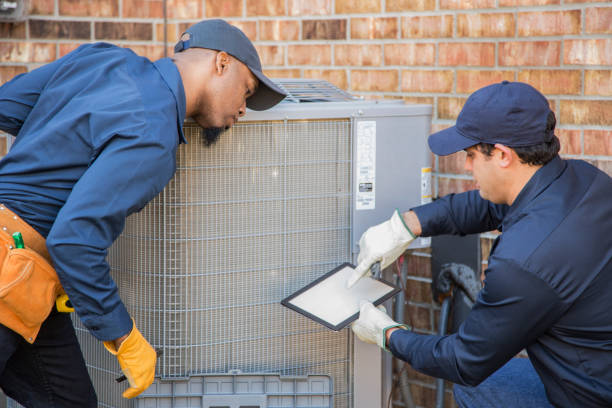
Multi-ethnic team of blue collar air conditioner repairmen at work. Multi-ethnic team of blue collar air conditioner repairmen at work.  They prepare to begin work by gathering appropriate tools from their tool box. hvac repair stock pictures, royalty-free photos & images

The Role of Humidity Control in Achieving Optimal Indoor Balance with Your AC System

Proper humidity control is a critical component of maintaining an efficient and comfortable indoor environment. Air conditioning systems are not only responsible for cooling the air but also for regulating humidity levels, which can directly impact comfort, air quality, and the overall performance of the system.

Why Humidity Control Matters

  • Promotes the growth of mold, mildew, and bacteria.
  • Makes indoor spaces feel warmer, leading to increased use of your AC system.
  • Causes discomfort due to sticky or clammy air.
  • Contributes to potential damage to furniture, wooden floors, and electronics due to excess moisture.
  • Creates dry conditions that may irritate skin and respiratory passages.
  • Can cause wooden furniture or flooring to shrink or crack over time.
  • Leads to increased airborne dust particles.

By managing humidity effectively, you can create a balanced indoor environment that is both healthier and more comfortable.

How AC Systems Help Regulate Humidity

  1. Dehumidification Process: When warm air passes over the evaporator coil in your AC unit, the coil cools it down while condensing moisture out of it. The condensed water is then drained away from your system.
  2. Thermostat Integration: Many advanced thermostat systems now include features for monitoring and adjusting humidity levels automatically based on preset preferences.
  3. Variable-Speed Compressors: Some modern units have multi-speed compressors that adjust airflow speed as needed, improving dehumidification while maintaining energy efficiency.

Benefits of Maintaining Proper Humidity with Your AC System

  • Enhanced Comfort: Balanced moisture levels prevent stuffy or overly dry conditions indoors.
  • Improved Air Quality: Reduced risk of mold growth ensures a healthier living space by eliminating allergens.
  • Energy Savings: When humidity is properly controlled, you can set your thermostat at a slightly higher temperature without sacrificing comfort—resulting in lower energy bills.
  • System Longevity: By preventing excessive strain caused by high moisture levels, you help extend the lifespan of your AC equipment.
Ideal Indoor Humidity Impact on Comfort Impact on Energy Efficiency
Below 30% Uncomfortably Dry Increased Heating Costs
Between 30%-50% Optimal Balance Energy Efficient
Above 50% Too Moist Increased Cooling Costs

Tools for Better Humidity Control

  • Whole-House Dehumidifiers – Installed directly into HVAC systems; ideal for regions with high year-round humidity.
  • Smart Thermostats – Offer precise control over both temperature and moisture settings.
  • Humidity Sensors – Standalone devices that monitor rooms where moisture tends to accumulate (e.g., basements).

Proper maintenance of your HVAC system is essential for effective dehumidification. Regularly cleaning filters, checking condensate lines for clogs, and scheduling annual professional inspections will ensure optimal performance when managing indoor humidity levels efficiently.

Signs Your Air Conditioning Unit Needs Replacement by a Trusted HVAC Company Orlando, FL

Your air conditioning system is essential for maintaining a comfortable and healthy indoor environment. However, like any mechanical system, it has a finite lifespan. Recognizing the signs that indicate your AC unit requires immediate replacement can save you from sudden breakdowns, costly repairs, and reduced energy efficiency. Below are key indicators to help you assess whether replacing your AC is necessary.

1. Insufficient Cooling Performance

  • Rooms are unevenly cooled: If some areas of your home remain warm while others are too cold, it may point to failing components within the system.
  • System struggles during peak temperatures: An AC that cannot keep up with demand during hot weather may have reached its limit in terms of performance.

2. Frequent Repairs

If your air conditioner needs constant repairs to address issues such as refrigerant leaks, electrical failures, or compressor malfunctions, it may be more cost-effective to replace it rather than continue investing in temporary fixes.

Cost Assessment Table: Repair vs Replacement

Repair Costs Per Year Estimated Replacement Cost Recommended Action
$500 or less $4,000 – $8,000 Consider repairs
More than $500 $4,000 – $8,000 Replace the unit

3. Rising Energy Bills

Older AC systems often lose efficiency over time due to wear and tear on components. If you notice a consistent increase in energy costs despite regular maintenance and normal usage patterns:
– Check your SEER (Seasonal Energy Efficiency Ratio) rating; systems below current standards (13-14 SEER minimum) should be replaced with more modern units offering higher efficiency levels (16+ SEER).
– A newer model will likely consume less electricity while providing better cooling results.

4. Excessive Noise Levels

An aging air conditioner might produce unusual sounds such as grinding, banging, or squealing noises due to motor or fan issues. While some noise problems can be repaired temporarily by replacing specific parts:
– Persistent loud operation typically signals a larger issue requiring replacement of the entire unit.

5. Refrigerant Type is Outdated

Legacy systems using R-22 refrigerant (commonly known as Freon) should be replaced immediately if they experience a refrigerant leak or require recharging: – R-22 has been phased out due to environmental regulations. – Modern AC units use eco-friendly refrigerants like R-410A or R-32 that are more efficient and widely available.

6. Lifespan of the Unit Has Been Reached

The average lifespan of an AC system is approximately 10–15 years, depending on usage and maintenance history: – If your unit approaches or surpasses this range and begins showing signs of decline in performance or reliability, a replacement is often the best course of action.

Pro Tip: Regular servicing can extend the life expectancy of an air conditioner but cannot prevent eventual obsolescence.

Recognizing these warning signs ensures you make informed decisions about whether repair or replacement will provide greater value for your home’s comfort and energy needs over time. By addressing these indicators proactively, you also minimize risks such as unexpected breakdowns during periods of extreme weather conditions.


Repairman fix air conditioning systems, Technicians man using screwdrivers service for repair and maintenance of air conditioners Repairman fix air conditioning systems, Technicians man using screwdrivers service for repair and maintenance of air conditioners hvac repair stock pictures, royalty-free photos & images

HVAC, an acronym for Heating, Ventilation, and Air Conditioning, refers to the systems designed to regulate indoor environments by maintaining comfortable temperatures, ensuring proper airflow, and enhancing air quality. A well-maintained HVAC system plays a vital role in creating a comfortable living space while helping homeowners conserve energy and reduce utility bills. Below is an in-depth look at the components of an HVAC system and how it operates to promote home comfort.

Understanding Orlando AC Installation and Key HVAC System Components

An HVAC system consists of several essential parts that work together to maintain the desired indoor environment.

  • Heating Unit: Typically includes furnaces or heat pumps. Furnaces heat air using fuel sources like natural gas or electricity. Heat pumps transfer heat from outdoor air or the ground into your home during colder months.
  • Ventilation System: Comprises ducts, vents, and filters that circulate air throughout your home while removing contaminants like dust and allergens. Proper ventilation ensures fresh airflow indoors.
  • Air Conditioning Unit: This component cools the air during hot weather by removing humidity and heat. Central air conditioners are common for whole-home cooling.
  • Thermostat: Serves as the control center of your HVAC system by allowing you to set temperature preferences for optimal comfort.

How HVAC Systems Work

  1. When temperatures drop, the thermostat signals the heating unit (furnace or heat pump) to activate.
  2. The furnace burns fuel or utilizes electricity to warm up a heat exchanger.
  3. Warm air is then distributed through ductwork via fans.
  4. During warmer months, the thermostat triggers the air conditioning unit.
  5. The AC’s refrigerant absorbs indoor heat and releases it outdoors through a condenser coil.
  6. Cooled air circulates back into rooms through vents.
  7. Air from inside your home passes through filters that trap dust particles, allergens, and other pollutants.
  8. The clean air is circulated back into living spaces while stale indoor air may be expelled outdoors.
Component Function Benefits
Furnace/Heat Pump Heats indoor spaces Keeps homes warm during colder months
Air Conditioner Cools indoor spaces Provides relief in high temperatures
Filters Purifies incoming/outgoing airflow Improves health by reducing allergens
Thermostat Controls temperature settings Ensures energy-efficient operation

Benefits of Using an Efficient HVAC System

  • Energy Efficiency: Modern systems consume less energy due to advanced technology like variable speed motors or smart thermostats.
  • Improved Indoor Air Quality (IAQ): Effective filtration reduces pollutants such as pollen, pet dander, mold spores, and bacteria.
  • Consistent Comfort: A reliable system maintains steady temperatures year-round without frequent fluctuations.
  • Cost Savings: Energy-efficient units lower utility bills over time despite higher upfront costs.

Understanding how an HVAC system operates provides insight into its role in enhancing home comfort while prioritizing energy efficiency and healthy living conditions. Maintaining these systems through regular cleaning and professional servicing ensures optimal performance year-round for any household setting.

How Home Air Quality Impacts Allergies and Enhances Overall Comfort

Indoor air quality (IAQ) is a critical factor in ensuring a healthy and comfortable home environment. Poor air quality can contribute to allergies, respiratory issues, and overall discomfort. Understanding the impact of air quality on your health, as well as strategies to improve it, is essential for creating a safe living space.

The Connection Between Air Quality and Allergies

Contaminants in the air can significantly worsen allergy symptoms.
Dust mites: Microscopic organisms that thrive in bedding, upholstery, and carpets.
Pollen: Often carried indoors through open windows or on clothing.
Pet dander: Tiny flakes of skin shed by animals like cats and dogs.
Mold spores: Found in damp areas such as bathrooms or basements.

When these allergens accumulate indoors, they can lead to symptoms such as sneezing, coughing, itchy eyes, and even aggravate pre-existing conditions like asthma.

How Air Quality Enhances Comfort

Beyond allergy relief, clean indoor air contributes to overall comfort by:
1.Reducing odors: Proper ventilation removes unpleasant smells caused by cooking or pet activities.
2.Improving sleep quality: Clean air helps regulate breathing during sleep, reducing disturbances caused by irritants like dust particles. 3.Boosting energy levels: Stale or polluted air can make occupants feel tired or sluggish; fresh air improves alertness and focus. 4.Supporting respiratory health: Cleaner air reduces the strain on lungs caused by pollutants or airborne chemicals.

Strategies to Improve Indoor Air Quality

  1. HVAC filters capture particles such as dust, pollen, and pet dander.
  2. Check filters monthly and replace them according to the manufacturer’s guidelines (typically every 60–90 days).
  3. High-quality purifiers with HEPA filters trap airborne allergens.
  4. Consider units with activated carbon filters for odor control.
  5. Keep humidity between 30%–50% using a humidifier or dehumidifier.
  6. This level discourages mold growth while keeping the air comfortable.
  7. Open windows for natural ventilation when outdoor conditions are favorable.
  8. Use exhaust fans in kitchens and bathrooms to remove moisture and pollutants.
  9. Avoid smoking indoors.
  10. Store chemicals such as cleaning products or paints in tightly sealed containers outside living spaces.
  11. Annual inspections ensure your system operates efficiently while minimizing particle buildup within ducts.

Benefits of Prioritizing Air Quality

Investing in improved indoor air quality not only alleviates allergy symptoms but also fosters a healthier home environment for all occupants—enhancing daily comfort while reducing long-term risks associated with poor respiratory health.

Air Conditioner Guide 2026: Ensuring Reliable Cooling for Optimal Comfort

Air conditioners are an essential part of maintaining a comfortable indoor environment, especially during the warmer months. Whether you are upgrading your current system or purchasing a new one, understanding how air conditioners work and how to choose the right system is crucial for optimal comfort. This guide provides insights into the key aspects of air conditioners, ensuring you make informed decisions.

How Does an Air Conditioner Work?

Air conditioning systems function by removing heat from indoor spaces and releasing it outdoors.

  1. Compressor: Compresses refrigerant gas, increasing its temperature and pressure.
  2. Condenser Coil: Removes heat from the pressurized gas, converting it into a liquid.
  3. Evaporator Coil: Absorbs heat from indoor air as the refrigerant evaporates back into a gas.
  4. Fan System: Circulates cooled air throughout your home via ductwork or vents.

This cycle repeats continuously to maintain your desired indoor temperature.

Key Factors to Consider When Choosing an Air Conditioner

  • Measured in BTUs (British Thermal Units), this determines how effectively the system can cool your home.
  • A higher BTU rating may be necessary for larger spaces, while smaller areas require less cooling capacity.
  • Look for units with a high SEER (Seasonal Energy Efficiency Ratio) rating.
  • ENERGY STAR-certified models often provide better efficiency and lower energy costs.
  • Central AC systems: Ideal for cooling entire homes with comprehensive ductwork.
  • Ductless mini-split systems: Suitable for targeted cooling in specific rooms without ducts.
  • Window units or portable ACs: Cost-effective options for cooling single rooms or temporary use.
  • Smart thermostats and Wi-Fi connectivity enable precise control of cooling settings.
  • Multi-speed fans and variable-speed compressors improve comfort while reducing energy consumption.

Signs It’s Time to Replace Your Air Conditioner

Even with regular maintenance, air conditioners have a limited lifespan.

Indication Possible Cause Suggested Action
Rising Energy Bills Decreased efficiency Upgrade to an ENERGY STAR model
Frequent Breakdowns Aging components Replace the system entirely
Inconsistent Cooling Poor airflow or failing parts Inspect ducts or replace unit
Strange Noises Compressor or fan issues Consult a professional technician

Replacing an outdated system with one designed for modern performance ensures reliable cooling and enhances comfort.

Maintenance Tips for Longevity

  • Clean or replace filters every 1–3 months to allow proper airflow.
  • Schedule annual professional inspections to identify potential issues early on.
  • Clear debris around outdoor condenser units and ensure adequate ventilation.
  • Monitor refrigerant levels regularly to prevent inefficiencies.

Investing time in routine care helps avoid costly repairs down the road and ensures uninterrupted comfort during hot weather conditions.

By understanding how air conditioners work, choosing the right model, and maintaining it properly, you can create an environment that keeps you cool and comfortable year-round.

Technician with dirty filter of air conditioner Technician with dirty filter of air conditioner indoors hvac repair stock pictures, royalty-free photos & images

Air Conditioner Guide 2026: Ensuring Reliable Cooling for Optimal Comfort

An air conditioner (AC) plays a critical role in maintaining comfort during warmer months by regulating indoor temperature and humidity. Understanding how AC systems function, their types, and maintenance needs can help ensure reliable cooling while improving efficiency and extending the lifespan of your system.

How Air Conditioners Work

Air conditioners operate by removing heat and moisture from indoor air, creating a comfortable environment.

  • Compressor:Compresses refrigerant gas to increase its pressure and temperature.
  • Condenser:Releases heat absorbed from the indoor space as the refrigerant cools into a liquid state.
  • Evaporator Coil:Absorbs heat from the indoor air as the refrigerant expands into a gas, cooling the surrounding air.
  • Blower Fan:Circulates cooled air throughout your home via ductwork or vents.

This cycle repeats continuously to maintain a consistent temperature as per thermostat settings.

Types of Air Conditioning Systems

Choosing an appropriate AC system depends on factors like your home’s size, budget, energy efficiency requirements, and cooling needs.

  1. Ideal for larger homes with existing ductwork.
  2. Offers even cooling across multiple rooms.
  3. Higher installation cost but energy-efficient for long-term use.
  4. Suitable for homes without ductwork or individual room cooling needs.
  5. Energy-efficient and allows zone-specific temperature control.
  6. Easier installation compared to central AC systems.
  7. Affordable option for single-room cooling.
  8. Easy to install but less energy-efficient than other systems.
  9. Versatile solution that can be moved between rooms as needed.
  10. Lower effectiveness when compared to fixed installations.
  11. Hybrid Systems:
    Combines an electric-powered AC with another heating/cooling method (e. g. , heat pumps) for enhanced energy efficiency.

Tips for Maintaining Reliable Cooling Performance

  • Clean or replace filters every 1–2 months to maintain airflow and improve indoor air quality.
  • Inspect coils annually to avoid dirt build-up reducing system efficiency.
  • Check refrigerant levels periodically; low levels may signal leaks requiring professional repair.
  • Clear debris around outdoor units (e. g. , leaves or grass) that could obstruct airflow.
  • Schedule professional servicing once a year to diagnose any potential issues proactively.

Energy Efficiency Ratings and SEER Standards

SEER Rating Efficiency Level Description
13–15 Standard Meets minimum federal standards
16–20 High Efficiency Reduces utility bills significantly
21+ Premium Best performance but higher upfront cost

Higher SEER ratings contribute to lower operating costs while reducing environmental impact through reduced energy consumption.

By understanding how these systems work, evaluating available options carefully, adhering to proper maintenance practices consistently ensures optimal comfort along with improved efficiency year-round while minimizing unexpected repair expenses from poorly maintained units .

Choosing the Best Heating Solution for Your Home with an HVAC Company Orlando, FL

Both systems have their own strengths and weaknesses, so understanding their distinctions is vital to making an informed decision.

Heat Pump: A Versatile and Energy-Efficient Option

It works by extracting heat from one area—such as the outdoor air or ground—and moving it indoors during colder months. During warmer months, many heat pumps can reverse their operation to function like an air conditioner.

Advantages of Heat Pumps:
Energy Efficiency: By transferring heat instead of producing it, heat pumps use less energy compared to traditional heating systems.
Dual Functionality: Many models provide both heating and cooling in a single system.Environmental Benefits: Lower energy usage means reduced carbon emissions.
Consistent Comfort: Heat pumps provide steady airflow for even indoor temperatures.

Disadvantages of Heat Pumps:
Performance in Extreme ColdInitial Cost: Installation costs can be higher than traditional furnaces.Electricity Dependency: If your area relies on expensive or non-renewable electricity sources, operating costs could rise.

Furnace: A Reliable Heating Solution for Colder Climates

Furnaces are traditional heating systems that generate warmth by burning fuel (natural gas, propane, or oil) or using electricity. They are especially effective in regions with harsh winters.

Advantages of Furnaces:
Superior Heating Power: Furnaces are designed to handle extreme cold weather efficiently.Long Lifespan: Well-maintained furnaces typically last 15–20 years or longer.Quick Warm-Up Time: Furnaces can rapidly raise the indoor temperature compared to other systems.

Disadvantages of Furnaces:
Energy Consumption: Gas or oil-based furnaces may consume more energy when compared to high-efficiency alternatives like electric heat pumps.
Environmental Impact: Combustion-based models emit greenhouse gases.Single Functionality: Unlike dual-purpose heat pumps, furnaces only provide heating and require a separate air conditioning system for cooling.

Key Comparison Table

Feature Heat Pump Furnace
Efficiency High (low operating costs) Moderate (depends on model/fuel)
Climate Suitability Mild-to-moderate winters Harsh winters
Installation Cost Higher upfront Moderate
Lifespan ~10–15 years ~15–20 years
Environmental Impact Lower emissions Higher emissions (gas/oil units)

Factors to Consider When Choosing

  1. Climate Conditions:In contrast, areas with extreme cold may benefit from the reliability of a furnace.
  2. Energy Costs:Consider local utility rates for electricity versus natural gas or other fuels when estimating operating expenses.
  3. Upfront Budget vs Long-Term Savings:While furnaces often have lower upfront costs, heat pumps may save more over time due to reduced energy consumption.
  4. Sustainability Goals:For eco-conscious homeowners aiming to reduce their carbon footprint, modern high-efficiency electric heat pumps are an excellent option.

By weighing these factors carefully against your home’s needs, you can select a heating solution that balances comfort, efficiency, and environmental responsibility effectively.

Comprehensive Guide to Air Conditioning Repair Orlando, FL: Beyond Just Cooling Temperatures

Cooling systems are often thought of as devices that simply reduce indoor temperatures, but their functionality and impact extend far beyond this basic purpose. In addition to providing relief from heat, modern cooling systems contribute to healthier indoor environments, energy efficiency, and the overall well-being of occupants. This guide delves into the key aspects of cooling systems and how they offer more than just temperature regulation.

Key Functions of Cooling Systems

Modern cooling systems serve multiple purposes that enhance indoor comfort and air quality.

  • Temperature Regulation
    At their core, cooling systems maintain a consistent indoor temperature by removing excess heat from the air. This is especially critical during hot seasons when external temperatures can make interiors uncomfortable.
  • Humidity Control
    Beyond lowering temperatures, these systems help reduce humidity levels inside a home or building. High humidity can lead to discomfort and even mold growth over time. Air conditioners achieve this by condensing moisture from the air as it passes through their coils.
  • Air Quality Improvement
    Many advanced cooling systems come equipped with filtration features that remove dust, pollen, allergens, and other airborne particles. This makes them essential for households with individuals prone to allergies or respiratory issues.

Types of Cooling Systems

There are several types of cooling systems available on the market today.

Type Key Features Best For
Central Air Conditioning Distributes cooled air through ducts across multiple rooms; ideal for larger homes Homes with existing ductwork
Ductless Mini-Split Provides zoned cooling without requiring ductwork; includes individual room controls Homes without ducts or specific room use
Window Units Compact units installed in windows; suitable for single rooms Apartments or small spaces
Portable Air Conditioners Freestanding units that can be moved easily; vented through a window Temporary setups or small spaces
Evaporative Coolers Use water to cool air; highly energy-efficient Dry climates

Benefits Beyond Comfort

  1. Energy Efficiency Options
    Many modern units are designed with energy-saving technology such as programmable thermostats and variable-speed compressors. These features allow homeowners to reduce electricity consumption while maintaining optimal comfort levels.
  2. Increased Home Value
    Investing in an efficient and effective cooling system adds value to your property. A well-maintained system can be a strong selling point for potential buyers.
  3. Support for Better Sleep
    An adequately cooled bedroom promotes restful sleep by creating an ideal temperature range (typically between 60-67°F). Additionally, low humidity levels prevent discomfort caused by excessive sweating during warmer nights.
  4. Healthier Indoor Environment
    By filtering out harmful particles like dust mites or pet dander, modern cooling systems ensure cleaner air circulation throughout your home.

Maintenance Tips for Efficiency

  • Replace air filters every 1-3 months depending on usage.
  • Schedule annual maintenance checks with HVAC professionals.
  • Keep vents clean and unobstructed.
  • Monitor refrigerant levels in central ACs or mini-splits.
  • Seal any leaks around windows or doors to prevent cooled air loss.

By understanding these extended benefits and maintaining your system properly, you can maximize both its performance and its positive impact on your living environment.


Maintenance Service For Air Conditioning Outdoor Unit Technician Performing Maintenance On An Outdoor Air Conditioning Unit hvac repair stock pictures, royalty-free photos & images

Heating, ventilation, and air conditioning (HVAC) systems are critical components of modern homes, ensuring comfort and convenience throughout the year. By regulating temperature, humidity levels, and air quality, they create a living environment that feels inviting and supports well-being. Let’s explore how HVAC systems contribute to enhancing overall home comfort.

Temperature Regulation

One of the primary functions of an HVAC system is to maintain a consistent indoor temperature regardless of outdoor conditions. Proper temperature control contributes significantly to physical comfort and can even impact mental productivity.

  • Heating: During colder months, heating systems like furnaces or heat pumps ensure the home remains warm by distributing heated air evenly.
  • Cooling: In warmer seasons, air conditioners help cool the indoor environment to a comfortable level.
  • Thermostat Control: Modern thermostats—especially smart ones—allow homeowners to set precise temperatures for optimal comfort throughout the day.

By focusing on both heating and cooling capabilities, HVAC systems ensure that your home remains livable in all weather conditions.

Humidity Management

  • Dehumidifiers remove excess moisture during humid months.
  • Humidifiers, often integrated into modern HVAC systems, add moisture when indoor air becomes too dry during winter.

Maintaining balanced humidity not only enhances physical comfort but also protects wooden furniture, flooring, and other materials from excessive dryness or moisture damage.

Improved Air Quality

  1. High-efficiency filters (e.g., HEPA filters) capture dust particles, allergens like pollen, and even bacteria from circulating air.
  2. Filters should be cleaned or replaced regularly for optimal performance.
  3. Proper ventilation ensures stale indoor air is exchanged with fresh outdoor air while maintaining energy efficiency.
  4. Advanced HVAC technologies reduce lingering odors caused by cooking or pets by circulating fresh air efficiently.

Noise Reduction Benefits

Older heating and cooling units may generate significant noise during operation—a common source of discomfort for homeowners seeking peace indoors. Modern HVAC solutions often include noise-reduction features such as insulated ducts or quieter compressors that enhance both functionality and tranquility.

Feature Traditional Systems Modern Systems
Energy Efficiency Moderate High
Noise Levels Loud Low
Humidity Control Limited Enhanced
Air Purification/Filtration Basic Advanced

By upgrading an older unit to a modern system with enhanced features like quiet operation and advanced filtration technology—as shown above—you can make significant strides towards improving your daily living experience.

HVAC systems play an indispensable role in transforming houses into comfortable homes through their ability to regulate climate conditions effectively while supporting health-focused environments via improved indoor air quality measures

Finding the Right HVAC Company Orlando, FL for Year-Round Comfort and Efficiency

Temperature control is a critical aspect of HVAC (Heating, Ventilation, and Air Conditioning) systems that directly impacts comfort, energy efficiency, and even the longevity of your system. Maintaining a balanced indoor climate throughout the year ensures your home is not only comfortable but also cost-effective to operate.

Benefits of Effective Temperature Control

  1. Proper temperature regulation eliminates cold or hot spots in your home.
  2. It ensures every room maintains an ideal environment regardless of external weather conditions.
  3. Modern HVAC systems with advanced thermostats optimize energy use by adjusting heating or cooling based on real-time needs.
  4. Reducing overcooling or overheating minimizes wasted energy and lowers utility bills.
  5. Systems that efficiently manage temperature experience less strain, reducing wear and tear on components like compressors and fans.
  6. Stable temperatures can reduce humidity fluctuations, which often lead to mold growth or discomfort during extreme seasons.

How Temperature Control Works in Modern HVAC Systems

  • Thermostats: Smart thermostats allow homeowners to schedule temperature settings for different times of the day or zones within the house.
  • Variable Speed Compressors: These adjust cooling output dynamically rather than operating at a fixed speed, saving energy while keeping temperature steady.
  • Zoned Heating and Cooling: Dividing a home into zones allows targeted heating or cooling without wasting energy on unoccupied areas.
  • Integrated Sensors: Advanced systems use sensors to detect changes in room occupancy or external factors (e.g., sunlight), automatically adjusting settings as needed.

Tips for Optimizing Indoor Temperature

  1. Set temperatures slightly higher in summer (around 78°F when home) and lower in winter (around 68°F when at home).
  2. Use setback schedules during sleeping hours or when away from home.
  3. Check windows, doors, and ductwork for leaks that compromise indoor air regulation.
  4. Use insulation where needed to maintain desired temperatures more effectively.
  5. Clean filters monthly or according to manufacturer recommendations.
  6. Schedule professional inspections annually to ensure system efficiency and prevent breakdowns.

Comparative Table: Old vs. Modern Temperature Control Features

Feature Traditional Systems Modern HVAC Systems
Thermostat Type Manual adjustment Smart/Programmable thermostats
Energy Efficiency Moderate High due to optimization
Zoning Capabilities Limited Advanced zone-specific control
Compressor Operation Single-speed Variable-speed technology

Efficient temperature control not only enhances daily comfort but also contributes significantly toward reducing operational costs while maintaining environmental sustainability. By understanding these principles and leveraging modern technology, homeowners can enjoy year-round comfort while optimizing efficiency levels indoors.

Year-Round Comfort and Efficiency with Air Conditioning Repair Orlando, FL

Temperature control is a critical aspect of any HVAC system, ensuring that your living environment remains comfortable regardless of the season. Beyond comfort, proper temperature regulation also contributes to the overall efficiency of your home, reducing energy consumption and associated costs. Here’s a detailed discussion on why temperature control is essential and how it can be optimized.

Benefits of Effective Temperature Control

  1. Maintaining a consistent indoor temperature ensures that your home feels comfortable during both hot summers and cold winters.
  2. Precise control eliminates hot or cold spots in your living space, providing even airflow throughout the home.
  3. Properly regulated temperatures reduce strain on HVAC systems, leading to lower energy usage.
  4. Avoid overcooling or overheating rooms by setting accurate temperature levels based on occupancy patterns.
  5. Consistent temperatures reduce wear and tear on key components like compressors, blowers, and ducts.
  6. Preventing frequent cycles of extreme heating or cooling helps preserve the integrity of your system over time.

Key Features Supporting Temperature Control

  • Programmable Thermostats: These allow users to pre-set temperatures for different times of day, ensuring comfort while minimizing unnecessary energy use.
  • Smart Thermostats: Integrated with Wi-Fi capabilities, these devices adjust indoor temperatures automatically based on weather conditions or user habits.
  • Zoning Systems: Zoning divides the home into distinct areas, enabling independent control over each zone’s climate needs.
  • Variable Speed Compressors: These adapt their output to current heating or cooling demands rather than operating at a fixed speed.

Tips for Maintaining Year-Round Comfort

  1. Summer: 75–78°F when at home; raise it when away.
  2. Winter: 68–70°F when occupied; lower it during sleeping hours.
  3. During summer months, fans help distribute cooled air more effectively.
  4. In winter, reversing fan blades circulates warm air trapped near ceilings downward.
  5. Clean air filters monthly to ensure proper airflow.
  6. Have your HVAC unit inspected annually by professionals to identify issues before they impact performance.
  7. Reducing drafts lowers heat exchange with the outdoors, enhancing energy efficiency in maintaining desired temperatures.
Feature Benefit
Programmable Thermostat Saves energy by aligning operation with user schedules
Zoning Systems Provides personalized comfort across different parts of the home
Smart Thermostat Adjusts settings dynamically for convenience and reduced waste
Variable Speed Units Enhances energy efficiency while meeting specific comfort requirements

By prioritizing temperature control in your HVAC system setup or upgrade decisions, you not only create a comfortable living environment but also achieve measurable energy savings year-round.

Air Conditioning Repair, Repairman fixing air conditioning system, Male technician service for repair and maintenance of air conditioners Air Conditioning Repair, Repairman fixing air conditioning system, Male technician service for repair and maintenance of air conditioners hvac repair stock pictures, royalty-free photos & images

Expert Orlando AC Installation for Advanced Filtration and Better Indoor Air Quality

Modern AC systems have revolutionized the way we think about indoor air quality. Gone are the days when air conditioning was solely about cooling a space. Today, advanced filtration technologies and humidity regulation play a pivotal role in improving the overall air quality inside homes, contributing to both comfort and health.

Benefits of Advanced Filtration

Airborne irritants such as dust, pollen, pet dander, mold spores, and harmful microorganisms can negatively impact indoor environments. Advanced filtration systems in modern AC units are specifically designed to address these issues.

  • High-Efficiency Particulate Air (HEPA) Filters: These filters can trap up to 99.97% of airborne particles as small as 0.3 microns, making them ideal for reducing allergens and contaminants.
  • Activated Carbon Filters: Great for removing odors, gases, and volatile organic compounds (VOCs), activated carbon filters enhance indoor freshness.
  • UV Light Technology: Some HVAC systems integrate UV lamps to neutralize bacteria, viruses, and mold spores that pass through the system’s ductwork.

These filtration methods not only create cleaner air but also contribute to better respiratory health by minimizing exposure to harmful particles.

The Role of Humidity Regulation

Humidity levels inside your home directly affect comfort and air quality. Excessive moisture can lead to problems like mold growth, dust mites, or even structural damage. On the other hand, overly dry conditions can cause skin irritation or worsen respiratory issues.

  1. Dehumidifiers: These components help remove excess moisture from the air during humid months. By maintaining relative humidity between 30%-50%, they create a healthier environment while discouraging mold growth.
  2. Humidifiers: During winter or dry climates, some HVAC systems incorporate humidification features to add moisture back into dry air for increased comfort.
  3. Smart Humidity Sensors: Many advanced systems now use sensors to monitor indoor humidity levels in real-time and adjust settings automatically.

Combating Common Indoor Air Quality Issues

Issue Solution Through Modern Systems
Allergens (pollen/dust) HEPA filters
Odors/VOCs Activated carbon filtration
Mold/Mildew Growth Effective dehumidification
Dry Air in Winter Integrated humidification
Bacteria/Viruses UV light disinfection

Combining Filtration with Energy Efficiency

While prioritizing indoor air quality through filtration and humidity regulation is important, achieving this without compromising energy efficiency is equally critical. Modern HVAC systems are designed with energy-efficient technologies that allow enhanced performance without driving up utility bills.

  • Multi-stage compressors regulate cooling needs efficiently while maintaining airflow for proper filtration.
  • Smart thermostats incorporate energy usage analytics while balancing temperature control with improved ventilation.

By investing in an HVAC system with advanced filtration and humidity management capabilities, homeowners ensure not just year-round comfort but also healthier living spaces that mitigate long-term risks associated with poor indoor air quality.

Energy Efficiency Solutions and Cost Savings Through Modern AC Systems

Modern air conditioning (AC) systems are designed with energy efficiency in mind, offering homeowners a range of benefits that go beyond just cooling their homes. From advanced technologies to smart integrations, a well-chosen energy-efficient system can significantly reduce utility bills while contributing to environmental sustainability. Below, we explore key energy-saving features and solutions provided by contemporary AC systems.

Benefits of Energy-Efficient AC Systems

  1. Energy-efficient systems consume less electricity, reducing monthly energy expenses.
  2. Systems with a high Seasonal Energy Efficiency Ratio (SEER) rating can save hundreds of dollars each year compared to older models.
  3. Reduced energy consumption lowers greenhouse gas emissions.
  4. Many modern systems use environmentally friendly refrigerants, such as R-410A, which have less impact on global warming.
  5. High-efficiency AC units often come with advanced components designed for durability.
  6. Efficient performance reduces strain on the system, leading to fewer repairs over time.

Features of Energy-Efficient AC Systems

  • Variable-Speed Compressors: Adjust cooling output based on the current needs of the home rather than running at full speed constantly. This ensures optimal performance while conserving energy.
  • Smart Thermostats: Enable precise temperature control and scheduling for when the home is occupied or empty, minimizing unnecessary energy use.
  • Zoning Capabilities: Allow homeowners to cool specific areas rather than the entire house, saving energy in unused rooms.
  • Improved Insulation in Ductwork: Reduces heat exchange within ducts, ensuring that cooled air maintains its temperature until it reaches living spaces.

Cost Savings Comparison Table

SEER Rating Estimated Annual Operating Cost* Potential Savings Per Year*
10 (older model) $850 N/A
14 (minimum standard today) $610 $240
20+ (high-efficiency system) $425 $425

*Based on average usage and utility rates; actual savings may vary.

Tips for Maximizing Efficiency and Savings

  1. Schedule annual tune-ups to ensure your unit operates at peak efficiency.
  2. Replace air filters every 1–3 months to optimize airflow and prevent strain on the system.
  3. Choose an HVAC system that matches your home’s size and cooling needs; oversized or undersized units waste energy.
  4. Inspect windows, doors, and ductwork for leaks that could cause cool air to escape unnecessarily.
  5. Pairing ceiling fans with your AC can help circulate cool air more effectively, allowing you to set higher thermostat temperatures without sacrificing comfort.

Investing in an energy-efficient AC system is a smart choice for both savings and sustainability. By taking advantage of modern technology and following best practices for maintenance and usage, homeowners can enjoy lasting comfort while minimizing their environmental footprint.

Upgrading to Modern HVAC Systems: When Replacement Becomes Essential

Upgrading your HVAC (Heating, Ventilation, and Air Conditioning) system is a significant investment, but it can become essential due to several factors. With advancements in technology and changing regulations, modern HVAC systems offer features that older systems simply cannot match. Below are key reasons why upgrading is often necessary and the benefits it can provide.

Signs It’s Time to Replace Your HVAC System

  • Frequent Repairs: If you’re frequently calling for repairs, the cumulative costs may exceed the price of a new system.
  • Age of the System: Most HVAC systems have a lifespan of 10–15 years. If your unit is older than this, it may no longer be efficient or reliable.
  • Decreased Energy Efficiency: Increasing energy bills despite regular maintenance could indicate that your system isn’t operating efficiently anymore.
  • Inconsistent Temperatures: Uneven heating or cooling in different parts of your home could mean your old unit is struggling to perform adequately.
  • Outdated Technology: Older systems lack modern features like smart thermostats, zoning capabilities, or energy-efficient components.

Benefits of Upgrading to Modern HVAC Systems

  1. Many newer units are ENERGY STAR® certified, meaning they meet strict energy efficiency guidelines set by the Environmental Protection Agency (EPA).
  2. Advanced technologies such as variable-speed compressors and smart thermostats allow the system to adapt more accurately to the heating and cooling demands of your home.
  3. Modern systems are often equipped with advanced filtration options that remove dust, allergens, and other pollutants from indoor air.
  4. Humidity control features help maintain optimal moisture levels, reducing risks associated with mold growth or dry air.
  5. While there’s an upfront cost associated with replacing an HVAC system, lower utility bills make modern units more cost-effective in the long run.
  6. Reduced repair needs also translate into financial savings.
  7. Many new systems integrate seamlessly with smart home devices for increased convenience and control.
  8. Features like Wi-Fi-enabled thermostats allow homeowners to adjust temperature settings remotely via smartphone apps.

Comparing Costs: Old vs New System

Feature Older Systems Modern Systems
Energy Consumption Higher Lower due to advanced tech
Maintenance Requirements Frequent Minimal due to better durability
Customization Options Limited Advanced zoning & smart controls
Initial Investment Lower upfront Higher upfront but long-term ROI

Additional Considerations Before Upgrading

  • Sizing Matters: Ensure that the new system is properly sized for your home; undersized or oversized units can lead to inefficiency.
  • SEER Rating: Look for a high Seasonal Energy Efficiency Ratio (SEER) rating when selecting a new air conditioning unit—this indicates higher efficiency.
  • Professional Installation: Proper installation by licensed technicians ensures optimal performance and longevity of your new system.

By upgrading to a modern HVAC system when replacement becomes essential, homeowners can enjoy greater comfort while also benefiting from reduced energy consumption and enhanced air quality over time.

Air repair mechanic using measuring manifold gauge equipment for filling home air conditioner after cleaner and checking maintenance outdoor air compressor unit. Air repair mechanic using measuring manifold gauge equipment for filling home air conditioner after cleaner and checking maintenance outdoor air compressor unit. hvac repair stock pictures, royalty-free photos & images

HVAC Zoning for Personalized Comfort and Optimized Energy Use

HVAC zoning has revolutionized the way homeowners manage their indoor climate. By dividing your home into distinct zones, you can independently control the temperature in each area, ensuring personalized comfort and optimized energy efficiency. This approach not only enhances convenience but also contributes to significant cost savings and environmental benefits.

What is HVAC Zoning?

  • Zone 1: Living room and common areas
  • Zone 2: Bedrooms
  • Zone 3: Home office or basement

These zones can operate independently, ensuring that energy isn’t wasted heating or cooling unoccupied spaces.

Benefits of HVAC Zoning

  • Personalized Comfort: Each family member can customize the temperature in their own space without impacting others.
  • Energy Savings: Avoid heating or cooling unused rooms by focusing energy where it’s needed most.
  • Extended Equipment Lifespan: By reducing strain on your HVAC system, zoning minimizes wear and tear, potentially extending its operational life.
  • Improved Temperature Control: Eliminate uneven heating or cooling across different parts of your home.

How Does HVAC Zoning Save Energy?

Traditional single-zone systems distribute air uniformly throughout the entire home, regardless of whether specific rooms are in use. In contrast, a zoned system uses strategically placed dampers connected to a central control panel. This setup ensures precise delivery of conditioned air only where it’s required, which directly reduces energy consumption.

Feature Single-Zone System Zoned System
Energy Efficiency Lower Higher
Temperature Customization Limited Full Control
Average Energy Waste High Minimal

By tailoring airflow to suit each zone’s specific needs, you avoid unnecessary energy expenditures.

Is HVAC Zoning Right for Your Home?

  • Home Layout: Multi-story homes or houses with large open spaces benefit most from zoning systems.
  • Existing Ductwork: A professional evaluation is necessary to determine if your current ductwork supports dampers and modifications.
  • Household Preferences: Homes with diverse temperature needs among occupants are excellent candidates for zoning.

Key Components of an HVAC Zoning System

  1. Thermostats: Installed in each zone for independent temperature control.
  2. Dampers: Motorized dampers placed inside ductwork regulate airflow between zones.
  3. Control Panel: Acts as the central hub that communicates between thermostats and dampers.
  4. Sensors (Optional): Advanced systems may include occupancy sensors to optimize comfort further.

Optimizing your home’s comfort should never come at the expense of high energy bills or inefficient resource use. With an HVAC zoning system, you achieve both efficiency and personalized climate control tailored perfectly to meet individual preferences while promoting responsible energy consumption within your household.