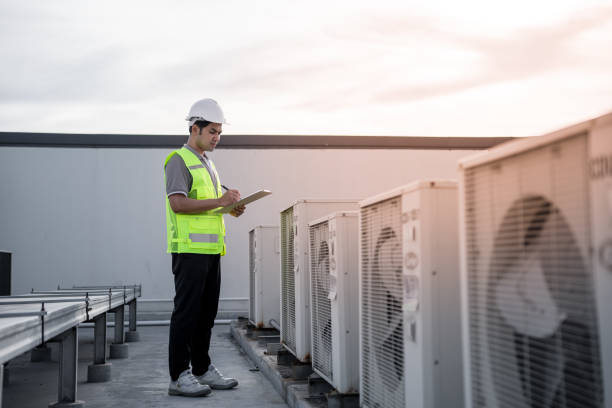
When it comes to installing a new air conditioning system, many homeowners may be tempted to take on the project themselves or hire a less experienced technician to save money. However, professional AC installation offers significant benefits that far outweigh the initial cost. A properly installed AC unit ensures long-term comfort, energy efficiency, and fewer maintenance issues down the line.
Benefits of Professional AC Installation
- A professional HVAC contractor will evaluate your home’s cooling needs using load calculations. This ensures that your unit is the correct size for optimal performance.
- An undersized unit will struggle to cool your home efficiently, while an oversized one will cycle on and off frequently, leading to higher energy bills and faster wear.
- Certified technicians follow manufacturer guidelines and industry best practices during installation. This includes proper ductwork connection, refrigerant charging, and electrical wiring.
- Incorrect installation can lead to problems like uneven cooling or refrigerant leaks, which can shorten the lifespan of your system.
- Professionally installed systems are more likely to operate at peak efficiency. This translates into lower monthly utility bills.
- Proper sealing of ducts and connections minimizes air leaks that could otherwise waste energy.
- Many manufacturers require professional installation for their warranties to remain valid. DIY installations or hiring unqualified contractors may void this protection.
- With a valid warranty in place, you can save on repair costs in case of future breakdowns.
Risks of DIY or Amateur Installations
| Risk | Impact |
| Incorrect Sizing | Leads to poor performance and higher energy costs |
| Refrigerant Issues | Improper handling can damage the system or pose safety risks |
| Code Violations | Non-compliance with local building codes may result in fines |
| Shortened Lifespan | Poor installation accelerates wear and tear |
Features Only Professionals Provide
- System Optimization: Along with installing the unit, professionals often provide recommendations for optimizing your entire HVAC system (e.g., upgrading thermostats or adding insulation).
- Post-Installation Support: Most reputable contractors offer maintenance plans and ongoing support for troubleshooting issues.
Long-Term Cost Benefits
While DIY installation may seem like an affordable option upfront, it often leads to hidden costs due to mistakes that require correction later on—sometimes involving costly repairs or even complete reinstallation. In contrast, investing in professional AC installation helps ensure a long-lasting system with fewer unexpected expenses.
Key Takeaway
Choosing a professional HVAC contractor for your AC installation not only guarantees proper setup but also delivers long-term savings through enhanced energy efficiency and reduced repair needs. For homeowners seeking comfort without compromise, partnering with a licensed expert is undoubtedly a wise choice.
Top Signs You Need Immediate Orlando AC Service for Your Cooling System
An air conditioning unit is a significant investment in your home’s comfort and energy efficiency. Like any other appliance, it has a limited lifespan and will eventually need to be replaced. Recognizing the signs of an aging or failing system can save you from unexpected breakdowns and costly repairs. Here are five key indicators that your AC unit may need immediate replacement.
Common Signs You Need Orlando FL Air Conditioning Repair
If your AC system requires constant repairs or servicing, it may indicate that the unit is nearing the end of its life. While occasional maintenance is necessary, repeated breakdowns can be costly and inefficient. Consider replacement when:
– Repair costs exceed 50% of the price of a new system.
– Recurring issues persist despite regular servicing.
– Replacement parts are difficult to find due to the age of the unit.
2. Inefficient Cooling Performance
Is your air conditioner struggling to maintain consistent temperatures? Poor cooling performance could signal that:
– The compressor is failing.
– The system is too old to meet modern cooling demands efficiently.
– Refrigerant levels are low due to leaks or outdated refrigerants like R-22, which are no longer environmentally compliant.
If uneven cooling patterns persist throughout your home despite an appropriate thermostat setting, it may be time for a professional evaluation.
3. Rising Energy Bills
Older HVAC systems lose efficiency over time, resulting in higher energy consumption and increased utility costs each month. An inefficient AC could be due to:
– Worn-out components causing energy waste.
– Outdated technology unable to compete with modern energy-efficient models.
Upgrading to a newer Energy Star-certified model can significantly reduce monthly expenses while improving energy use.
| Old AC System | Newer Energy-Efficient Models |
| Higher operating costs | Reduced electricity bills |
| Outdated refrigerants (e.g., R-22) | Eco-friendly refrigerants (e.g., R-410A) |
4. Unusual Noises or Odors
Loud clanking, grinding, or screeching noises often point to internal damage within an AC unit, such as worn-out bearings or failing fan motors. Similarly:
– Musty odors might indicate mold growth due to poor drainage or inadequate airflow.
– Burning smells could signal electrical issues requiring immediate attention.
When such problems arise repeatedly, replacing the system might be a safer option rather than continuing repairs on old components.
5. Age of Your System
1) Units over this threshold are more prone to inefficiency and breakdowns. 2) They may not align with updated federal regulations regarding environmental standards for HVAC systems. 3) Technological limitations make it challenging for older units to integrate with smart thermostats or advanced features like zone cooling.
If your HVAC technician confirms the age-related decline in performance during routine inspections, planning for replacement becomes essential.
Recognizing these signs early allows homeowners to make proactive decisions about upgrading their air conditioning systems instead of dealing with unexpected failures during peak summer months. By investing in a new unit when necessary, you can ensure consistent comfort while benefiting from improved energy efficiency and reliability across seasons.
Essential AC Installation Tips for Optimal Performance and Energy Savings
Proper air conditioning (AC) installation is critical to ensuring the system operates at peak efficiency, provides consistent comfort, and minimizes energy costs. A poorly installed unit can lead to frequent repairs, reduced lifespan, and higher utility bills. Below are essential AC installation tips that homeowners and businesses should consider to ensure optimal performance and energy savings.
1. Choose the Right Size Unit
Selecting the correct size AC unit is one of the most important steps during installation. An undersized system will struggle to cool your space efficiently, while an oversized unit may short-cycle, leading to uneven cooling and excessive energy consumption.
- Square footage of the space.
- Local climate conditions.
- Number of occupants in the building.
- Insulation levels in your home or office.
Professional HVAC contractors will conduct a load calculation using tools like Manual J to recommend the appropriately sized unit for your needs.
2. Ensure Proper Placement of the Unit
The location of both the indoor and outdoor components of your AC system impacts its performance. Improper placement can result in reduced efficiency or unnecessary wear on parts.
- Install in a shaded area to reduce heat exposure.
- Avoid placing it near shrubs or fences that may block airflow.
- Keep at least two feet of clearance around the unit for proper ventilation.
- Place air handlers in central locations to promote even air distribution.
- Avoid installing near heat-producing appliances or direct sunlight.
3. Prioritize Quality Ductwork
Even with a high-efficiency AC unit, poorly designed ductwork can lead to significant energy loss and uneven cooling throughout your home. Pay attention to duct design during installation.
- Properly sealed with mastic tape or sealants.
- Correctly sized for airflow requirements.
- Insulated if they pass through unconditioned spaces like attics or basements.
A certified technician will test duct systems for leaks during installation and make necessary adjustments.
4. Invest in a Programmable Thermostat
Pairing a new AC system with a programmable or smart thermostat allows you to customize cooling schedules based on your routine, reducing unnecessary energy usage when you’re away from home.
- Remote access via mobile apps (for smart thermostats).
- Automatic adjustment based on occupancy patterns.
- Potential utility company rebates for upgrading technology.
Table: Comparison Between Standard Thermostats vs Smart Thermostats
| Feature | Standard Thermostat | Smart Thermostat |
| Cost | Lower | Higher |
| Remote Access | No | Yes |
| Energy Savings Potential | Moderate | High |
| Ease of Use | Basic functionality | Advanced features |
5. Verify Refrigerant Levels
- Refrigerant levels are checked according to manufacturer specifications.
- No leaks are present in refrigerant lines.
- The correct type of refrigerant is used (e.g., R410A instead of older R22).
Final Considerations
By following these essential tips, you can maximize energy efficiency while extending the lifespan of your AC system. Always work with licensed HVAC professionals who adhere to local building codes and industry standards during installation. Their expertise ensures not only proper setup but also long-term comfort and performance benefits for your investment.
The Pros and Cons of the 7 Main Types of Air Filters for Your HVAC System
When it comes to maintaining indoor air quality and ensuring the efficiency of your HVAC system, choosing the right air filter is crucial. Different types of air filters offer varying levels of performance, durability, and cost-effectiveness. Below is a breakdown of the pros and cons of seven main types of air filters commonly used in HVAC systems to help you make an informed decision.
1. Fiberglass Air Filters
Fiberglass filters are one of the most basic and affordable options available.
Pros:
– Inexpensive and widely available
– Protects HVAC equipment by trapping larger particles
– Low airflow resistance, ideal for older systems
Cons:
– Limited filtration capabilities (does not trap smaller particles like pollen or bacteria)
– Requires frequent replacement (every 30 days or less)
– Not suitable for homes with allergy sufferers or sensitive individuals
2. Pleated Air Filters
Pleated filters are made from polyester or cotton sheets that are folded into pleats to increase surface area for better filtration.
Pros:
– Higher efficiency than fiberglass filters (traps dust mites, mold spores, and pet dander)
– Available in a wide range of Minimum Efficiency Reporting Values (MERV ratings) to match your needs
– Longer lifespan compared to fiberglass options
Cons:
– Higher cost than fiberglass filters
– May restrict airflow in some HVAC systems if not chosen correctly
3. HEPA Filters (High-Efficiency Particulate Air)
HEPA filters are designed to capture up to 99.97% of particles as small as 0.3 microns, offering top-tier filtration.
Pros:
– Superior air quality improvement; ideal for allergen-sensitive environments
– Captures bacteria, viruses, smoke, and other microscopic pollutants
– Recommended by health organizations for medical-grade purification needs
Cons:
– Expensive upfront cost compared to standard options
– May require modifications in some HVAC systems due to high airflow resistance
– Not always necessary for standard residential use
4. Washable/Reusable Filters
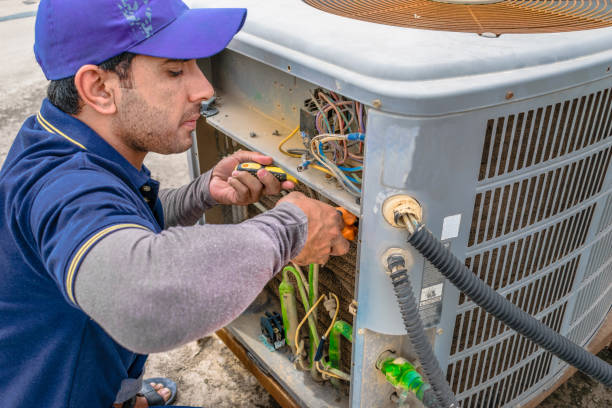
Washable filters can be cleaned periodically rather than replaced, offering a more sustainable option over time.
Pros:
– Cost-effective in the long term since they last several years
– Eco-friendly alternative to disposable options
Cons:
– Requires regular maintenance (cleaning every few months)
– Lower MERV ratings; not effective at filtering finer particles such as allergens
5. Electrostatic Filters
Electrostatic filters use static electricity to attract airborne particles like dust and pollen.
Pros:
– Reusable options available with proper cleaning care
– Effective at trapping small pollutants without restricting airflow significantly
Cons:
– Slightly expensive initially
– Requires routine cleaning to maintain efficiency
6. UV Light Filters
These advanced systems integrate ultraviolet light technology that eliminates bacteria, mold spores & harmful microorganisms passing through your ductwork sensors
|UV Filter Type Examples | Maintenance Costs High upfront costs alongside consumable bulb replacements Outputs cleaner microbial ventilation layers dependent usage often geared commercial priorities rob residential affordability niche buyers simple
6 Benefits of Mini Split Installation for Your Home or Small Business
Mini split HVAC systems are gaining popularity because of their energy efficiency, flexible installation process, and ability to provide targeted heating and cooling. Whether you’re a homeowner or a small business owner, investing in a mini split system can offer numerous benefits that other traditional HVAC systems might not provide. Below is an in-depth look at the top six advantages of installing a mini split system.
1. Energy Efficiency
Mini splits operate with exceptional energy efficiency, making them an eco-friendly option for your home or business. Unlike central air systems that cool or heat the entire space (even unused areas), mini splits allow for zoned control. This means you can target specific rooms, reducing energy consumption and lowering utility bills.
Key features contributing to their efficiency:
– Inverter technology: Adjusts compressor speed based on current demand instead of turning on/off continuously.
– No ductwork losses: Traditional systems can lose up to 30% of energy through duct leaks; mini splits eliminate this issue entirely.
2. Easy and Flexible Installation
Mini split systems are easier to install compared to central HVAC systems. They consist of two main components: an indoor air-handling unit and an outdoor condenser/compressor, connected by a small conduit.
Benefits of their installation process:
– No need to install extensive ductwork.
– Compact size allows mounting on walls or ceilings.
– Suitable for older homes or spaces without pre-existing ducts.
Homeowners can save on labor costs while also avoiding the invasive construction often required with centralized systems.
3. Zoned Temperature Control
Mini splits provide personalized comfort by allowing individual temperature settings in different zones or rooms within your property. Each unit works independently based on the needs of its specific area.
Advantages include:
– Improved comfort for occupants with varying preferences.
– Avoiding overcooling or overheating unoccupied spaces.
– Enhanced control over energy use in multi-room setups (e.g., offices or multi-family homes).
4. Improved Air Quality
Unlike traditional forced-air systems, mini splits come equipped with advanced filtration technology designed to trap dust, allergens, and other airborne pollutants before they reach your indoor space.
Key air quality enhancements:
– Multi-layer filtration options reduce contaminants.
– Prevents dust accumulation commonly found in ducted systems.
– Ideal for individuals with allergies or respiratory concerns.
This added focus on healthier air makes mini splits particularly attractive for both homes and businesses where clean air is essential.
5. Quiet Operation
One benefit often overlooked is how quiet mini split systems operate compared to traditional HVAC units. Designed with sound-dampening technology, these units run efficiently while maintaining low noise levels indoors and outdoors.
Noise comparisons: | System Type | Noise Level Range | |——————|——————-| | Mini Split | 19–35 decibels | | Central AC Units | 40–60+ decibels |
This makes them ideal for bedrooms, meeting rooms, libraries, or any environment where noise might disrupt daily activities.
6. Cost Savings Over Time
Savings potential includes:
– Lower monthly utility bills due to high energy efficiency ratings (often exceeding SEER ratings of 20).
– Reduced maintenance costs thanks to the absence of complex ductwork.
– Increased lifespan when properly maintained—lasting up to 20 years depending on usage patterns and care.
Over time, these savings offset initial expenses while providing consistent performance year after year.
A mini split system offers unparalleled flexibility in design and use while delivering significant benefits such as lower energy bills, healthier indoor air quality, and localized comfort control. These factors make it an excellent option for homeowners looking to upgrade older setups or business owners seeking cost-efficient climate control solutions tailored specifically for their needs.
5 Key Questions to Ask Before Hiring an HVAC Contractor for AC Installation
1. Are You Licensed and Insured?
- State or local licensing: Verify their license is current and valid in your area.
- Liability insurance: Protects your property in case of accidental damage during the project.
- Worker’s compensation insurance: Covers employees if they are injured while working on your property.
Always request documentation for proof and check with local regulatory agencies to confirm their credentials.
2. What Experience Do You Have With AC Installation?
- How many years have you been installing air conditioning systems?
- Do you specialize in residential, commercial, or both types of installations?
- Have you worked with my specific brand or type of unit before?
An experienced contractor will be able to handle unexpected challenges that may arise during the installation process and provide recommendations tailored to your space.
3. Can You Provide References From Past Clients?
- Ask about timeliness, professionalism, and quality of work.
- Check online reviews on platforms like Google or Yelp for consistent feedback.
- Consider asking if they’ve completed similar projects in homes or businesses like yours.
Directly speaking with past clients can give you peace of mind that you’re making the right choice.
4. What Is Included in Your Estimate?
| Item | Description | Cost |
| Equipment | Cost of the AC unit itself | $XXX |
| Labor | Installation fees | $XXX |
| Additional Materials | Ductwork repair/materials, thermostat upgrades | $XXX |
| Permits | Any necessary permits required by local codes | $XXX |
Ensure there are no hidden fees and clarify if additional costs might arise during installation.
5. Do You Offer Warranties or Maintenance Plans?
- Manufacturer’s Warranty: Covers defects in parts (length varies by brand).
- Labor Warranty: Covers any issues arising from improper installation (typically lasts one year).
- Maintenance Plans: May include annual tune-ups, filter replacements, and priority service.
Having these options can save money on repairs down the line and extend the life of your system.
Taking time to ask these key questions will not only help you select a reliable HVAC professional but also ensure that your new air conditioning system operates efficiently for years to come.
Top HVAC System Upgrades from a Trusted HVAC Company Orlando, FL
Improving the efficiency of your home’s HVAC system is one of the most effective ways to reduce energy bills, improve indoor comfort, and contribute to a more sustainable environment. Whether you’re upgrading an outdated system or making adjustments to your current setup, the right enhancements can make a significant difference. Below are some key HVAC upgrades that can boost energy efficiency and overall performance.
1. Upgrade to a Programmable or Smart Thermostat
- Remote access: Adjust temperatures using smartphone apps from anywhere.
- Energy usage tracking: Monitor energy consumption patterns in real time.
- Automated schedules: Set heating and cooling cycles based on occupancy and time of day, reducing unnecessary energy use.
A smart thermostat can reduce your HVAC costs by optimizing the system’s operation when you’re not at home.
2. Seal and Insulate Ductwork
- Enhanced indoor air quality by preventing dust and pollutants from entering ducts.
- Lower energy costs due to minimized waste.
- Improved overall comfort with evenly distributed cooling or heating.
3. Replace Outdated HVAC Equipment with Energy-Efficient Models
| Equipment Type | Recommended Upgrade Options |
| Air conditioners & heaters | Energy Star-certified systems |
| Heat pumps | High-efficiency dual-fuel or geothermal models |
| Furnaces | Units with 95% Annual Fuel Utilization Efficiency (AFUE) or higher |
Investing in newer equipment may require an upfront cost but leads to lower long-term operating expenses and reduced carbon footprint.
4. Install Zoning Systems for Customized Comfort
- Reduced energy waste by heating/cooling only occupied zones.
- Enhanced comfort for households with varying temperature preferences.
- Extended lifespan of HVAC systems due to less frequent cycling.
5. Improve Indoor Air Quality with Air Purification Systems
- HEPA filters for capturing fine particles such as allergens and dust.
- UV light systems for neutralizing airborne bacteria, viruses, and mold spores.
- Whole-home humidifiers/dehumidifiers for maintaining ideal humidity levels year-round.
Cleaner air reduces strain on the system while improving overall health within the household.
6. Conduct Routine Maintenance & Tune-Ups
- Cleaning coils and replacing filters.
- Checking refrigerant levels and identifying leaks.
- Inspecting fan motors, belts, and electrical connections for wear-and-tear issues.
Scheduling biannual tune-ups helps catch potential problems early while ensuring optimal performance during peak seasons.
By integrating these upgrades into your existing HVAC setup—or implementing them during installation—you create a more energy-efficient home environment that provides long-term savings without compromising comfort or functionality.
- Top HVAC Safety Hazards Every Orlando AC Service Technician Should Know About
- Finding the Best HVAC Company Orlando, FL for Your Projects
- The Benefits of Orlando AC Repair for Long-Term Comfort and Efficiency
- Identifying Common AC Issues and Solutions with a Trusted HVAC Company Orlando, FL
- Key Indicators You Need Orlando AC Service for Air Conditioning Replacement
- Answering Common AC Repair Questions with Insights from a Trusted HVAC Company Orlando, FL
- How Dirty Air Conditioning Filters Can Impact Efficiency and When to Call for Orlando AC Repair