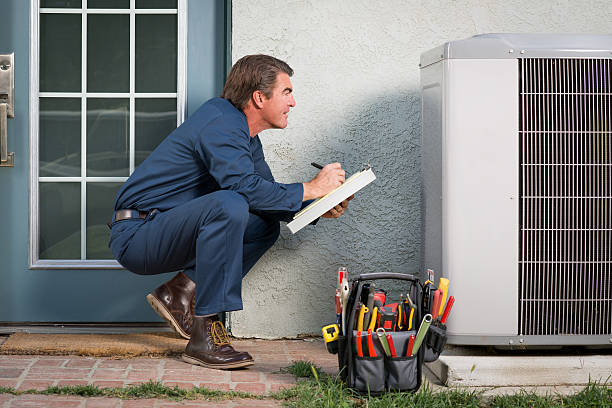
A dirty air filter is one of the most common issues homeowners face with their air conditioning systems. While it may seem like a minor problem, it can lead to significant complications for your HVAC system, including reduced efficiency, increased energy costs, and even long-term damage. Understanding these problems and how to address them is essential for maintaining a functional and efficient AC system.
Common Problems Caused by a Dirty Air Filter
- Reduced Airflow
A clogged or dirty air filter restricts airflow through the HVAC system. This can cause your AC unit to work harder than necessary to blow air throughout your home, leading to poor cooling performance. - Increased Energy Bills
When an air filter becomes clogged, your HVAC system consumes more energy to maintain desired indoor temperatures. Over time, this inefficiency significantly increases your electricity bills. - Frozen Evaporator Coils
Restricted airflow caused by dirty filters can result in evaporator coils becoming too cold, leading to ice buildup. This not only reduces cooling efficiency but can also cause permanent damage if left unchecked. - Poor Indoor Air Quality
A dirty air filter fails to capture dust, allergens, and other airborne particles effectively. Consequently, these contaminants circulate throughout your home and negatively impact indoor air quality. - Premature System Wear and Tear
The added strain on your HVAC system caused by restricted airflow leads to increased wear on components such as fans and compressors, shortening their lifespan.
How to Solve Problems Related to Dirty Air Filters
- Check your air filter at least once a month during peak usage seasons (summer and winter).
- Hold the filter up to light; if you can’t see light passing through it or if it appears visibly dirty, it’s time for a replacement.
- Replace disposable filters every 1-3 months depending on usage and environmental factors.
- Homes with pets or individuals with allergies may require more frequent replacements.
| Filter Type | Replacement Frequency |
|---|---|
| Fiberglass Filters | Every 30 days |
| Pleated Filters | Every 60-90 days |
| High-Efficiency Filters | Every 6-12 months |
- Upgrade Your Filters Consider upgrading from low-efficiency fiberglass filters to pleated or high-efficiency particulate air (HEPA) filters for better filtration and improved indoor air quality.
- Schedule regular maintenance appointments with an HVAC contractor.
- During routine servicing, professionals often clean or replace filters as part of their maintenance checklist.
- Educate Household Members Remind everyone in the household about the importance of keeping vents clear of obstructions (like furniture or curtains) that might further restrict airflow.
Pro Tip: Setting Reminders for Filter Replacement
To ensure you don’t forget about replacing the AC filter: – Set reminders on your phone or calendar. – Keep spare filters readily available so changes are quick and hassle-free.
Addressing problems caused by dirty air filters promptly not only enhances your AC system’s performance but also protects its longevity while improving overall comfort at home.
Identifying HVAC Ductwork Issues and Solutions with Orlando AC Repair
HVAC ductwork plays a crucial role in maintaining indoor air quality and ensuring the efficient operation of heating and cooling systems. However, over time, ductwork can develop issues that compromise system performance, increase energy bills, and negatively affect air quality. Below are some common signs of HVAC ductwork problems and practical solutions to address them.
Common Signs of HVAC Ductwork Problems
- Some rooms may be too hot or too cold compared to others.
- This often indicates leaks or blockages in the duct system.
-
- Crushed or disconnected ducts.
- Build-up of debris inside the ducts.
- Sudden spikes in energy usage may result from leaky ducts forcing your HVAC system to work harder.
- Rattling or whistling sounds might mean loose connections or holes in the ductwork.
- Excessive dust circulating throughout your home may indicate gaps or poorly sealed joints in your ducts.
- Persistent odors can be a sign of moisture build-up within ducts leading to mold growth.
Effective Solutions for HVAC Ductwork Issues
- Use mastic sealant or metal tape to close small leaks.
- Larger leaks may require professional-grade sealing services like aerosealing.
- Schedule regular duct cleaning to remove accumulated dirt, debris, and allergens.
- Ensure registers and grilles are unobstructed by furniture or other items.
- Replace crushed or disconnected sections of ductwork.
- Invest in durable materials like rigid sheet metal if replacement is needed.
- Add insulation around exposed ducts in non-conditioned spaces (e.g., attics, crawlspaces) to reduce energy loss.
- If mold is detected, hire a professional contractor specializing in HVAC mold remediation.
- Poorly designed systems can cause airflow imbalances; upgrading to a well-planned layout ensures even distribution across rooms.
Preventative Maintenance Tips
- Schedule annual inspections with an experienced HVAC contractor.
- Replace air filters every 1–3 months depending on usage and filter type.
- Monitor energy bills for unusual spikes as an early indicator of potential problems.
| Problem | Likely Cause | Recommended Solution |
|---|---|---|
| Uneven Room Temperatures | Leaky/Disconnected Ducts | Seal leaks; Repair damaged sections |
| Weak Airflow | Blockage/Damaged Sections | Clear blockages; Repair affected areas |
| High Energy Costs | Leaks/Insufficient Insulation | Seal & insulate ducts |
| Moldy Odors | Moisture Build-Up | Address moisture sources promptly |
Addressing these issues promptly not only improves the efficiency of your HVAC system but also enhances indoor comfort while reducing costs over time. Always rely on qualified professionals for handling significant repairs or upgrades to ensure long-term reliability of your system’s performance.
Effective Tips for Orlando FL Air Conditioning Repair and Resolving Noisy HVAC Ductwork
Noisy HVAC ductwork is a common issue in homes and businesses that can disrupt comfort and signal underlying problems within your heating, ventilation, and air conditioning (HVAC) system. Understanding the causes of noisy ductwork and how to resolve these issues can help improve the efficiency, longevity, and overall performance of your system. Below, we explore practical solutions to address this problem effectively.
Common Causes of Noisy HVAC Ductwork
- Expansion and Contraction of Metal Ducts: Temperature changes during heating or cooling cycles can cause metal ducts to expand or contract, leading to popping or banging noises.
- Loose or Poorly Secured Ducts: Vibrations from airflow can cause ducts that are not securely fastened to rattle or shake.
- High Static Pressure: Excessive air pressure within the ducts due to improper design or blockages may create whistling or loud airflow noises.
- Air Leaks: Cracks or gaps in duct connections allow air to escape, resulting in hissing sounds.
- Dirty Air Filters: A clogged filter makes it difficult for air to flow through the system, increasing noise levels.
Steps to Resolve Noisy HVAC Ductwork Problems
- Examine all visible duct sections for loose fittings or joints.
- Tighten screws or use metal tape/sealant where needed.
- Attach sound-dampening insulation around ducts to reduce vibrations and noise transmission.
- Foam padding can be applied at points where metal ducts contact surrounding structures.
- Identify leaks using a smoke pencil near suspected areas.
- Seal any cracks with mastic sealant or duct tape specifically designed for HVAC systems.
- Replace filters every 1–3 months (or as recommended by the manufacturer) to ensure unobstructed airflow.
- Speak with an HVAC contractor about adjusting damper settings in your system’s supply vents. This helps distribute airflow more evenly across all ducts.
- If DIY efforts fail, hire a licensed HVAC contractor who can assess whether extensive repairs, adjustments, or even duct replacement is necessary.
Preventative Measures for Quieter Ductwork

| Maintenance Task | Recommended Frequency |
|---|---|
| Replace air filters | Every 1–3 months |
| Schedule professional inspections | Annually |
| Ensure proper installation | During initial setup |
| Clean registers/vents | Every 6 months |
Benefits of Addressing Noisy Ductwork
- Improved indoor comfort by eliminating distracting sounds
- Increased energy efficiency through better airflow management
- Preservation of HVAC equipment lifespan
- Enhanced air quality due to reduced risk of leaks and contamination
Proactively managing your noisy ductwork not only ensures a peaceful living environment but also contributes significantly toward maintaining an efficient and reliable HVAC system over time.
Exploring Heat Temperature Sensitivity and Its Impact on Your HVAC System
Temperature sensitivity can significantly affect the performance and longevity of your HVAC system. Understanding how heat fluctuations influence your system’s operation allows you to make informed decisions, ensuring a more efficient and comfortable indoor environment. Below, we explore the concept of temperature sensitivity, its effects on your HVAC system, and practical steps to address related issues.
What is Heat Temperature Sensitivity?
Heat temperature sensitivity refers to the way an HVAC system responds to changes in temperature outside or within your home. Fluctuations in heat can create strain on critical components of your heating, ventilation, and air conditioning system, leading to inefficiencies or breakdowns over time.
Key Signs of Temperature Sensitivity in Your HVAC System
- Uneven Heating or Cooling: Certain areas in your home feel noticeably warmer or cooler than others.
- Increased Energy Bills: A sensitive system may overwork itself trying to adjust to fluctuating temperatures.
- Frequent Short Cycling: The system turns on and off repeatedly within short intervals.
- Unusual Noises: Grinding, banging, or other abnormal sounds during operation.
- Poor Indoor Air Quality: Excessive dust buildup due to inconsistent airflow.
Identifying these signs early can help prevent further damage to the HVAC equipment and reduce repair costs.
How Heat Temperature Sensitivity Impacts Your HVAC System
- Strain on Components
Rapid temperature changes force the compressor, blower motor, and other components to work harder than usual. This excessive strain may lead to premature wear-and-tear. - Reduced Efficiency
When your system struggles with temperature regulation, it consumes more energy. Over time, this results in higher utility bills without effectively maintaining comfort levels. - Shortened Lifespan
Persistent exposure to erratic temperatures shortens the lifespan of key parts like the evaporator coil and thermostat sensors. - Inconsistent Comfort Levels
Sensitive systems may struggle with maintaining a consistent indoor climate due to external weather patterns or internal discrepancies like poor insulation.
Solutions for Addressing Heat Temperature Sensitivity
- Schedule professional tune-ups at least twice a year (spring and fall) to ensure optimal performance.
- Inspect ductwork for leaks or blockages that could disrupt airflow distribution.
- Use high-quality insulation materials for walls, attics, and basements.
- Seal gaps around windows and doors using weatherstripping or caulk.
- Smart thermostats allow precise control of indoor temperatures based on outdoor conditions.
- Some models can learn patterns in usage behaviors over time for enhanced efficiency.
- Dirty filters can restrict airflow affecting how well the unit handles temperature changes.
- Replace filters every 1–3 months depending on usage levels and manufacturer recommendations.
- Divide your home into multiple zones with independent thermostats for better control over heating/cooling specific areas instead of relying solely on one thermostat setting across all rooms.
| Solution | Benefit |
|---|---|
| Regular Maintenance | Improved efficiency & reliability |
| Upgrade Insulation | Better energy retention |
| Smart Thermostat | Precise temperature control |
| Replace Air Filters | Enhanced airflow quality |
| Zoning Systems | Customizable comfort |
By implementing these measures with guidance from an experienced HVAC contractor if necessary, you can alleviate problems associated with heat temperature sensitivity while improving overall efficiency in your system’s operation.
How Orlando AC Service Experts Can Fix Loud Furnace Noises
A furnace is a critical component of your home’s HVAC system, especially during cold weather. However, if your furnace begins making loud or unusual noises, it can be both disruptive and a sign of a potential issue that needs attention. Understanding the causes behind these noises and how an HVAC contractor can resolve them will help ensure your system operates efficiently and safely.
Common Causes of Loud Furnace Noises
- Cause: These sounds often occur due to delayed ignition in gas furnaces. When gas builds up in the combustion chamber before igniting, it causes a small explosion, leading to these loud banging noises.
- Potential Risk: This can damage the heat exchanger over time and reduce the efficiency of your furnace.
- Cause: High-pitched squeals are typically caused by worn-out blower belts or issues with motor bearings.
- Potential Risk: If left unaddressed, these issues may lead to overheating or component failure within the system.
- Cause: Loose screws, bolts, or panels on your furnace can produce rattling when the unit is operating. It may also indicate a more serious problem with internal components becoming loose.
- Potential Risk: Ignoring this sound could lead to further mechanical wear and tear over time.
- Cause: Restricted airflow due to clogged filters or improperly sized ductwork often leads to whistling sounds.
- Potential Risk: Reduced airflow can force your unit to work harder than necessary, increasing energy costs and causing premature wear.
- Cause: A clicking noise may indicate problems with the ignition system or a faulty flame sensor in gas furnaces.
- Potential Risk: A malfunctioning ignition can compromise safety and prevent efficient heating.
Solutions Offered by an HVAC Contractor
- Clean burners thoroughly to ensure proper gas flow.
- Inspect and repair any issues with the ignition system or gas valve.
- Replace worn blower belts.
- Lubricate motor bearings where applicable.
- Determine if motor replacement is necessary for long-term functionality.
- Tighten loose connections on panels, bolts, or screws within the unit.
- Perform a detailed inspection of internal components for signs of damage.
- Replace dirty air filters regularly.
- Inspect ductwork for blockages or improper sizing adjustments.
- Check flame sensors for dirt buildup and clean them as needed.
- Repair faulty ignition systems promptly to restore efficient operation.
Preventive Measures You Can Take
- Replace air filters every 1–3 months depending on usage levels.
- Schedule regular maintenance checks (at least once annually) with certified professionals.
- Keep vents clear from obstructions like furniture or debris that could restrict airflow.
- Monitor thermostat settings and avoid frequent temperature fluctuations that stress the system.
Table: Noise Types vs Potential Issues
| Noise Type | Common Cause | Risk Level |
|---|---|---|
| Banging/Booming | Delayed Ignition | High (Heat Exchanger Damage) |
| Squealing | Worn Belts/Motor Bearings | Moderate (Overheating) |
| Rattling | Loose Components | Low (Wear Over Time) |
| Whistling | Clogged Filters/Blocked Ducts | Moderate (Reduced Efficiency) |
| Clicking | Faulty Ignition System | High (Safety Hazard) |
Addressing furnace noise promptly not only ensures comfort but also improves energy efficiency and prolongs equipment lifespan—key benefits that make professional servicing indispensable. Always consult an experienced HVAC contractor for accurate diagnoses and expert repairs tailored to your heating system’s needs.
- Top HVAC Safety Hazards Every Orlando AC Service Technician Should Know About
- Finding the Best HVAC Company Orlando, FL for Your Projects
- The Benefits of Orlando AC Repair for Long-Term Comfort and Efficiency
- Identifying Common AC Issues and Solutions with a Trusted HVAC Company Orlando, FL
- Key Indicators You Need Orlando AC Service for Air Conditioning Replacement
- Answering Common AC Repair Questions with Insights from a Trusted HVAC Company Orlando, FL
- How Dirty Air Conditioning Filters Can Impact Efficiency and When to Call for Orlando AC Repair