
When it comes to hiring an HVAC contractor, it’s essential to choose someone who is qualified, trustworthy, and capable of handling your heating, ventilation, and air conditioning needs. A reliable HVAC contractor can ensure that your system operates efficiently, provides comfort throughout the year, and minimizes unexpected repairs or costs. Below are the key qualities to look for in a dependable HVAC professional.
Proper Licensing and Certification
One of the first indicators of a competent HVAC contractor is their licensing and certification. These credentials demonstrate that they have undergone proper training and adhere to state or local regulations.
– NATE Certification (North American Technician Excellence):Ensures advanced knowledge in HVAC systems.
– EPA Certification: Required for contractors handling refrigerants safely.
– State-specific licenses that meet local requirements.
Experience in the Industry
Experience plays a critical role in ensuring quality service. Contractors with years of hands-on experience are more likely to diagnose issues correctly, recommend effective solutions, and avoid costly mistakes. Look for professionals who specialize in both residential and commercial systems if applicable to your project.
Positive Customer Reviews and References
A reliable contractor will have a track record of satisfied customers.
– Check online reviews on platforms like Google or Yelp.
– Ask the contractor for references from previous clients.
– Look for patterns in feedback regarding timeliness, professionalism, and quality of work.
Transparent Pricing Practices
A trustworthy contractor won’t surprise you with hidden fees or unclear pricing structures.
1. A detailed written estimate outlining labor costs, materials used, and timelines.
2. Options tailored to your budget without compromising quality.
3. Payment terms discussed clearly before beginning work.
Strong Communication Skills
Effective communication helps prevent misunderstandings during projects:
– They should explain technical concepts clearly without using too much jargon.
– Provide regular updates on project progress.
– Be responsive when you have questions or concerns.
Commitment to Energy Efficiency Solutions
With increasing energy costs and environmental concerns, energy efficiency has become an important aspect of any HVAC project. Reliable contractors often recommend energy-efficient solutions such as programmable thermostats or ENERGY STAR-certified equipment that reduce utility bills over time.
| Energy Efficiency Service | Benefit |
| Equipment Upgrades | Reduced energy consumption |
| Duct Sealing | Improved airflow efficiency |
| System Maintenance | Enhanced performance |
Comprehensive Services Offered
Whether you need installation, repair services, routine maintenance checks, or emergency support during extreme weather conditions—having access to comprehensive services through one provider demonstrates reliability.
Warranty on Workmanship
Contractors who back their work with warranties show confidence in their skills while also providing peace of mind for homeowners or business owners.
By evaluating these qualities during your search process, you can select an HVAC contractor who is well-equipped to meet your needs while delivering exceptional results tailored specifically for your system requirements.
Enhance Energy Efficiency and Reduce Costs with Expert Orlando AC Service
Upgrading your HVAC (Heating, Ventilation, and Air Conditioning) system can significantly contribute to both energy efficiency and cost savings. Modern HVAC systems are designed with advanced technology that optimizes performance, reduces energy consumption, and ensures a more comfortable indoor environment. Here’s what you need to know about the benefits of upgrading your system.
Benefits of Upgrading Your HVAC System
- Modern systems utilize variable speed motors, which adjust airflow based on current heating or cooling needs.
- Energy-efficient HVAC units comply with the latest SEER (Seasonal Energy Efficiency Ratio) ratings, meaning they use less electricity to deliver the same level of comfort.
- Features like smart thermostats allow precise temperature control, minimizing energy waste.
- By reducing energy consumption, upgraded systems lead to noticeable savings on monthly utility bills.
- Older units can operate at diminished efficiency over time, forcing them to work harder and consume more power. Replacing these reduces unnecessary costs.
- Updated filtration systems in modern HVAC units capture more allergens, dust, and pollutants.
- Advanced dehumidifiers built into newer systems help maintain optimal humidity levels for better comfort and health.
- Many new models use environmentally friendly refrigerants like R-410A instead of ozone-depleting substances such as R-22.
- Reduced electricity usage lowers your carbon footprint while still keeping your home comfortable.
Signs It’s Time to Upgrade Your System
- The system is over 10–15 years old.
- Increasing frequency of breakdowns or costly repairs.
- Rising energy bills despite no change in usage habits.
- Uneven heating or cooling across different rooms in your home or office.
Features to Look for in a New HVAC System
| Feature | Benefit |
| Smart Thermostats | Remote control access for easy adjustment anytime from anywhere |
| Zoning Systems | Customizable temperature settings for different areas of the building |
| High SEER Ratings | Improved energy efficiency and long-term savings |
| Variable Refrigerant Flow | Precise heating and cooling by modifying refrigerant flow as needed |
Steps to Take Before Upgrading
- Evaluate the size of the space needing conditioning; choosing an appropriately sized unit is critical for efficiency.
- Schedule a professional inspection with an experienced HVAC contractor who can assess whether repairs might be sufficient or if replacement is necessary.
- Research rebate programs or financing options available in your area for energy-efficient appliances.
Upgrading your HVAC system not only supports lower operating costs but also creates a healthier and more comfortable living environment while aligning with sustainable practices. With proper planning and professional guidance, you can maximize the return on investment from your new unit while enjoying long-term benefits tailored to your needs.
How Orlando AC Repair Services Can Enhance Energy Efficiency and Reduce Costs
Upgrading your HVAC system is a significant investment, but the long-term benefits for both energy efficiency and cost savings are undeniable. With advancements in technology and increasing awareness of energy consumption, modern HVAC systems are designed to provide superior performance while reducing environmental impact. Below, we delve into how upgrading your HVAC system can transform the way you manage energy usage and expenses.
Top Reasons to Consider Orlando FL Air Conditioning Repair and HVAC Upgrades
- Modern systems are equipped with high-efficiency ratings such as SEER (Seasonal Energy Efficiency Ratio) and AFUE (Annual Fuel Utilization Efficiency), ensuring optimal performance.
- Improved heat pumps, variable-speed compressors, and smart thermostats contribute to more precise temperature control while consuming less energy.
- An old or inefficient system often requires more power to maintain a comfortable indoor environment, leading to higher utility bills.
- Upgrading ensures that your system operates at maximum efficiency, directly reducing monthly energy expenses over time.
- Many modern systems use environmentally friendly refrigerants that comply with updated regulations, significantly lowering their carbon footprint.
- Reduced energy consumption also contributes to decreased greenhouse gas emissions.
- Newer HVAC systems provide consistent airflow and temperature regulation across all areas of your home or business space.
- Improved humidity control technologies ensure a more comfortable indoor environment throughout the year.
Features to Look for in an Energy-Efficient HVAC System
| Feature | Benefit |
| Smart Thermostats | Allows remote access and intelligent scheduling for better efficiency |
| Variable-Speed Blowers | Provides even heating/cooling while reducing energy consumption |
| Zoned Temperature Control | Tailors climate settings for different areas of the home |
| High SEER Rating | Ensures superior cooling performance with lower operational costs |
Signs It’s Time to Upgrade Your System
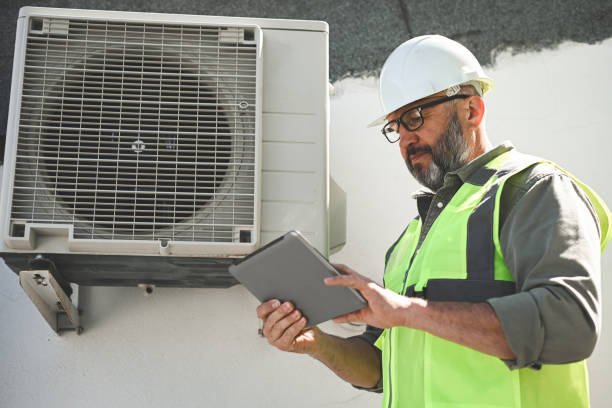
- Frequent Repairs: If repairs have become frequent or costly, replacement may be more practical.
- Rising Utility Bills :A sudden spike in utility costs could indicate inefficiency within your current system.
- Age of Equipment: Most HVAC systems have a lifespan of 10–20 years; older models lack modern efficiency advancements.
- Uneven Heating or Cooling: Persistent hot or cold spots suggest inadequate performance from aging equipment.
Cost Savings Over Time
- Significant reduction in monthly utility bills.
- Fewer repairs due to improved reliability.
- Potential eligibility for tax credits or rebates provided by local governments or utility companies for choosing high-efficiency models.
By selecting the right features and ensuring proper installation by a qualified contractor, homeowners and businesses alike can enjoy enhanced comfort while minimizing environmental impact and operational expenses over time.
Why Is My HVAC System So Loud and When Should You Call an Expert Contractor?
A noisy HVAC system can quickly become an annoyance for homeowners or business owners. Not only can it disrupt your daily activities, but it may also signal underlying issues that need immediate attention. This article explores common reasons behind a loud HVAC system, when you should contact a contractor, and how to address the problem effectively.
Common Causes of a Loud HVAC System
- Loose or Damaged Components
Over time, components like screws, bolts, or fan blades may loosen due to regular wear and tear. This can lead to rattling, banging, or clanking noises during operation. - Dirty or Clogged Filters
A clogged air filter restricts airflow, causing the system to work harder than necessary. This stress often results in strange noises emanating from the unit. - Imbalanced Fan Blades
Misaligned or unbalanced fan blades can create whirring or scraping sounds when operational. - Worn-Out Bearings in the Motor
If bearings within the motor are worn out, you may hear grinding noises as the system runs. - Refrigerant Issues
Low refrigerant levels or leaks can lead to hissing sounds in your unit. - Ductwork Problems
Ducts that are poorly installed or improperly sized may vibrate or expand noisily when air passes through them.
When Should You Call an Expert Contractor?
- Persistent Noises: If your unit is consistently loud despite cleaning filters and tightening loose components, it’s time for an inspection.
- Unusual Sounds: Strange noises such as grinding, screeching, or hissing could indicate serious mechanical problems.
- Reduced Performance: If noise is accompanied by poor airflow or inconsistent temperatures, this suggests a deeper issue.
- DIY Attempts Fail: When troubleshooting efforts don’t resolve the problem, calling a licensed HVAC contractor ensures accurate diagnosis and repair.
Steps an HVAC Contractor Will Take
| Step | Description |
| 1 | Conduct a thorough inspection of the entire system to identify problematic areas |
| 2 | Tighten loose parts such as screws and bolts |
| 3 | Clean essential components like filters and fans |
| 4 | Test refrigerant levels and address any leakages |
| 5 | Evaluate ductwork for potential damage or sizing issues |
Tips for Minimizing Noise Moving Forward
- Schedule regular maintenance checks with a licensed contractor.
- Replace air filters every 1–3 months based on usage.
- Ensure proper installation of ducts and other components during initial setup.
- Avoid overloading the unit by keeping vents open and unblocked throughout your space.
Addressing noise issues promptly not only restores comfort but also ensures your heating and cooling system operates efficiently for years to come. Investing in professional expertise is often the most effective way to resolve complex mechanical challenges while preventing further damage down the road.
Ensuring Proper Ventilation in Your Space with the Help of an HVAC Contractor
Proper ventilation plays a critical role in maintaining indoor air quality, controlling humidity, and ensuring thermal comfort within your space. Whether it’s a residential property or a commercial building, the expertise of an HVAC contractor is invaluable in designing and maintaining effective ventilation systems. Here’s a closer look at how professional support can ensure optimal airflow and create healthier indoor environments.
Why Proper Ventilation Matters
Effective ventilation is essential for several reasons:
– Improving Indoor Air Quality (IAQ):Poor ventilation allows pollutants, allergens, and airborne particles to accumulate indoors. This can lead to health issues like allergies, respiratory problems, and fatigue.
– Controlling Moisture Levels: Excess moisture due to inadequate airflow can cause mold growth, structural damage, and discomfort. Proper ventilation helps regulate humidity levels effectively.
– Thermal Comfort: A well-designed system ensures the even distribution of fresh air throughout the space, helping maintain consistent temperatures across all areas.
Key Ways HVAC Contractors Improve Ventilation
HVAC contractors assess your space’s unique requirements to design or upgrade systems that provide adequate airflow.
- They choose between mechanical ventilation (such as exhaust fans or energy recovery ventilators) and natural ventilation depending on your needs.
- Ductwork placement is carefully planned to avoid obstructions or uneven air distribution.
- Contractors measure airflow through the system using specialized equipment.
- Adjustments are made to dampers and fan speeds to ensure every room receives adequate fresh air.
- High-efficiency filters (like HEPA filters) may be recommended for better pollutant removal.
- Regular maintenance schedules are set for timely filter replacements.
- ERVs are ideal for improving efficiency by exchanging heat between outgoing stale air and incoming fresh air.
- These systems help maintain comfortable temperatures while minimizing energy loss.
- Contractors inspect ductwork for leaks or blockages that could hinder proper airflow.
- Sealing gaps ensures conditioned air isn’t lost during distribution.
Signs You May Need Professional Help with Ventilation
- Stuffy or stale indoor air despite running your HVAC system regularly.
- Visible signs of mold growth around vents or windowsills.
- Uneven temperatures across different rooms in your home or building.
- Persistent humidity issues leading to condensation on windows or walls.
Benefits of Partnering with an Experienced Contractor
Collaborating with a skilled HVAC contractor ensures that your space receives customized solutions tailored to its size, occupancy levels, and intended use.
| Benefit | Explanation |
| Enhanced Air Quality | Reduced allergens and pollutants improve overall health. |
| Energy Efficiency | Optimized systems lower utility costs over time. |
| Structural Preservation | Controlled humidity protects walls and furniture from damage. |
Investing in professional guidance not only ensures proper ventilation but also creates a more comfortable living or working environment while reducing energy consumption significantly over time.
The Benefits of Professional Inspections by Qualified HVAC Contractors
Regular professional inspections performed by qualified HVAC contractors are essential for maintaining the efficiency, longevity, and performance of your heating, ventilation, and air conditioning (HVAC) system. These inspections go beyond basic maintenance tasks to ensure that your system operates optimally while preventing costly breakdowns.
A thorough inspection ensures that every component of your HVAC system is running efficiently.
– Dirty filters that restrict airflow
– Blocked vents or ductwork leaks
– Inefficient compressors or motors
By addressing these problems promptly, an inspection helps reduce energy consumption and lowers monthly utility bills.
Qualified HVAC contractors can detect minor wear and tear before it escalates into major damage. Regular maintenance and timely repairs not only improve a system’s performance but also extend its operational life.
Key Inspection Areas:
| Component | Potential Issue Detected | Maintenance Action Recommended | |———————–|—————————————|————————————| | Air Filters | Clogged or dirty | Replace or clean filters | | Thermostat | Incorrect calibration | Adjust settings | | Ductwork | Leaks or obstructions | Seal leaks or clear blockages | | Refrigerant Levels | Low refrigerant causing inefficiency | Refill refrigerant if needed |
– Coils and ducts are cleaned to remove debris buildup.
– Filters are replaced to trap pollutants more effectively.
This results in cleaner air, which is particularly beneficial for individuals with allergies or respiratory conditions.
Waiting until something goes wrong with your HVAC system can result in costly emergency repairs or even total equipment failure.
– Electrical malfunctions in wiring or connections
– Unusual sounds indicating mechanical failure
– Declining performance metrics like uneven cooling
Early detection minimizes repair costs while ensuring uninterrupted comfort throughout the year.
Many HVAC manufacturers require routine maintenance as part of their warranty terms. Failing to adhere to these requirements may void coverage for repairs or replacements. A professional inspection keeps you compliant with warranty obligations while protecting your investment.
Knowing that a trained expert has evaluated every aspect of your HVAC system provides confidence in its reliability during extreme weather conditions—whether it’s a sweltering summer day or a freezing winter night.
Final Thoughts
Investing in regular inspections by qualified HVAC contractors is one of the most effective ways to avoid unexpected issues, achieve optimal energy efficiency, and maintain comfortable indoor environments year-round. By prioritizing these evaluations, homeowners and business owners alike can save money over time while ensuring their systems perform at peak capacity when they’re needed most.
- Top HVAC Safety Hazards Every Orlando AC Service Technician Should Know About
- Finding the Best HVAC Company Orlando, FL for Your Projects
- The Benefits of Orlando AC Repair for Long-Term Comfort and Efficiency
- Identifying Common AC Issues and Solutions with a Trusted HVAC Company Orlando, FL
- Key Indicators You Need Orlando AC Service for Air Conditioning Replacement
- Answering Common AC Repair Questions with Insights from a Trusted HVAC Company Orlando, FL
- How Dirty Air Conditioning Filters Can Impact Efficiency and When to Call for Orlando AC Repair