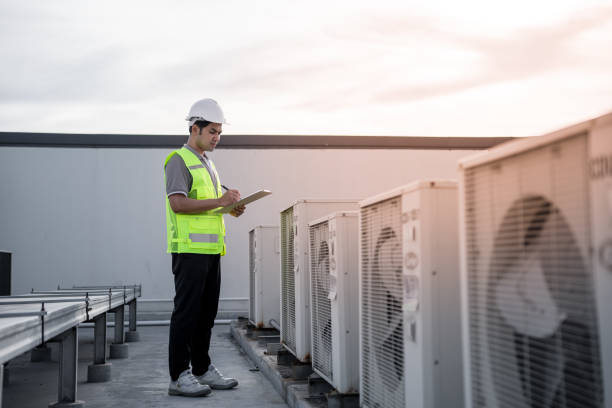
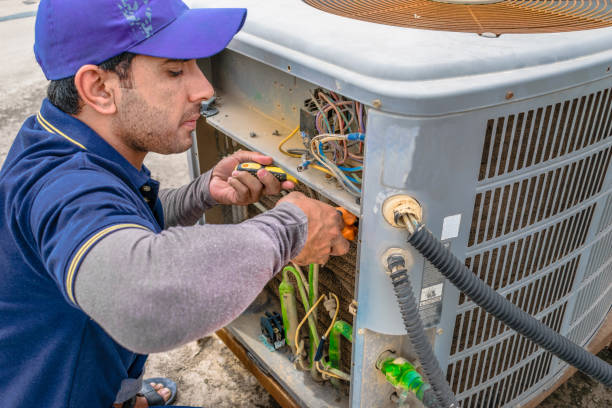
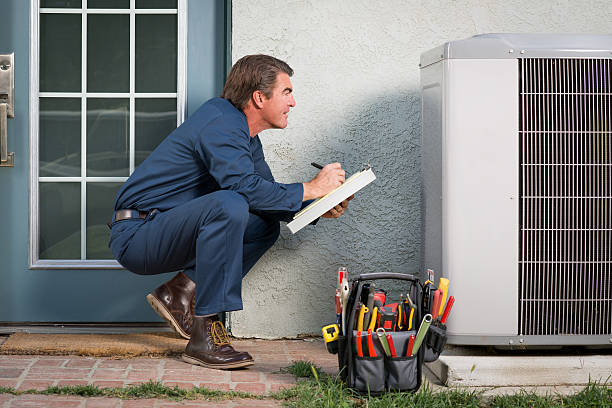
Repairer Repairing Air Conditioner Young Man Repairing Air Conditioner Standing On Stepladder ac service stock pictures, royalty-free photos & images

When it comes to hiring an HVAC contractor, it’s essential to choose someone who is qualified, trustworthy, and capable of handling your heating, ventilation, and air conditioning needs. A reliable HVAC contractor can ensure that your system operates efficiently, provides comfort throughout the year, and minimizes unexpected repairs or costs. Below are the key qualities to look for in a dependable HVAC professional.

Proper Licensing and Certification

One of the first indicators of a competent HVAC contractor is their licensing and certification. These credentials demonstrate that they have undergone proper training and adhere to state or local regulations.
NATE Certification (North American Technician Excellence):Ensures advanced knowledge in HVAC systems.
EPA Certification: Required for contractors handling refrigerants safely.
– State-specific licenses that meet local requirements.

Experience in the Industry

Experience plays a critical role in ensuring quality service. Contractors with years of hands-on experience are more likely to diagnose issues correctly, recommend effective solutions, and avoid costly mistakes. Look for professionals who specialize in both residential and commercial systems if applicable to your project.

Positive Customer Reviews and References

A reliable contractor will have a track record of satisfied customers.
– Check online reviews on platforms like Google or Yelp.

– Ask the contractor for references from previous clients.

– Look for patterns in feedback regarding timeliness, professionalism, and quality of work.

Transparent Pricing Practices

A trustworthy contractor won’t surprise you with hidden fees or unclear pricing structures.
1. A detailed written estimate outlining labor costs, materials used, and timelines.
2. Options tailored to your budget without compromising quality.

3. Payment terms discussed clearly before beginning work.

Strong Communication Skills

Effective communication helps prevent misunderstandings during projects:
– They should explain technical concepts clearly without using too much jargon.

– Provide regular updates on project progress.

– Be responsive when you have questions or concerns.

Commitment to Energy Efficiency Solutions

With increasing energy costs and environmental concerns, energy efficiency has become an important aspect of any HVAC project. Reliable contractors often recommend energy-efficient solutions such as programmable thermostats or ENERGY STAR-certified equipment that reduce utility bills over time.

Energy Efficiency Service Benefit
Equipment Upgrades Reduced energy consumption
Duct Sealing Improved airflow efficiency
System Maintenance Enhanced performance

Comprehensive Services Offered

Whether you need installation, repair services, routine maintenance checks, or emergency support during extreme weather conditions—having access to comprehensive services through one provider demonstrates reliability.

Warranty on Workmanship

Contractors who back their work with warranties show confidence in their skills while also providing peace of mind for homeowners or business owners.

By evaluating these qualities during your search process, you can select an HVAC contractor who is well-equipped to meet your needs while delivering exceptional results tailored specifically for your system requirements.

Enhance Energy Efficiency and Reduce Costs with Expert Orlando AC Service

Upgrading your HVAC (Heating, Ventilation, and Air Conditioning) system can significantly contribute to both energy efficiency and cost savings. Modern HVAC systems are designed with advanced technology that optimizes performance, reduces energy consumption, and ensures a more comfortable indoor environment. Here’s what you need to know about the benefits of upgrading your system.

Benefits of Upgrading Your HVAC System

  1. Modern systems utilize variable speed motors, which adjust airflow based on current heating or cooling needs.
  2. Energy-efficient HVAC units comply with the latest SEER (Seasonal Energy Efficiency Ratio) ratings, meaning they use less electricity to deliver the same level of comfort.
  3. Features like smart thermostats allow precise temperature control, minimizing energy waste.
  4. By reducing energy consumption, upgraded systems lead to noticeable savings on monthly utility bills.
  5. Older units can operate at diminished efficiency over time, forcing them to work harder and consume more power. Replacing these reduces unnecessary costs.
  6. Updated filtration systems in modern HVAC units capture more allergens, dust, and pollutants.
  7. Advanced dehumidifiers built into newer systems help maintain optimal humidity levels for better comfort and health.
  8. Many new models use environmentally friendly refrigerants like R-410A instead of ozone-depleting substances such as R-22.
  9. Reduced electricity usage lowers your carbon footprint while still keeping your home comfortable.

Signs It’s Time to Upgrade Your System
  • The system is over 10–15 years old.
  • Increasing frequency of breakdowns or costly repairs.
  • Rising energy bills despite no change in usage habits.
  • Uneven heating or cooling across different rooms in your home or office.

Features to Look for in a New HVAC System

Feature Benefit
Smart Thermostats Remote control access for easy adjustment anytime from anywhere
Zoning Systems Customizable temperature settings for different areas of the building
High SEER Ratings Improved energy efficiency and long-term savings
Variable Refrigerant Flow Precise heating and cooling by modifying refrigerant flow as needed

Steps to Take Before Upgrading

  1. Evaluate the size of the space needing conditioning; choosing an appropriately sized unit is critical for efficiency.
  2. Schedule a professional inspection with an experienced HVAC contractor who can assess whether repairs might be sufficient or if replacement is necessary.
  3. Research rebate programs or financing options available in your area for energy-efficient appliances.

Upgrading your HVAC system not only supports lower operating costs but also creates a healthier and more comfortable living environment while aligning with sustainable practices. With proper planning and professional guidance, you can maximize the return on investment from your new unit while enjoying long-term benefits tailored to your needs.

How Orlando AC Repair Services Can Enhance Energy Efficiency and Reduce Costs

Upgrading your HVAC system is a significant investment, but the long-term benefits for both energy efficiency and cost savings are undeniable. With advancements in technology and increasing awareness of energy consumption, modern HVAC systems are designed to provide superior performance while reducing environmental impact. Below, we delve into how upgrading your HVAC system can transform the way you manage energy usage and expenses.

Top Reasons to Consider Orlando FL Air Conditioning Repair and HVAC Upgrades

  1. Modern systems are equipped with high-efficiency ratings such as SEER (Seasonal Energy Efficiency Ratio) and AFUE (Annual Fuel Utilization Efficiency), ensuring optimal performance.
  2. Improved heat pumps, variable-speed compressors, and smart thermostats contribute to more precise temperature control while consuming less energy.
  3. An old or inefficient system often requires more power to maintain a comfortable indoor environment, leading to higher utility bills.
  4. Upgrading ensures that your system operates at maximum efficiency, directly reducing monthly energy expenses over time.
  5. Many modern systems use environmentally friendly refrigerants that comply with updated regulations, significantly lowering their carbon footprint.
  6. Reduced energy consumption also contributes to decreased greenhouse gas emissions.
  7. Newer HVAC systems provide consistent airflow and temperature regulation across all areas of your home or business space.
  8. Improved humidity control technologies ensure a more comfortable indoor environment throughout the year.

Features to Look for in an Energy-Efficient HVAC System

Feature Benefit
Smart Thermostats Allows remote access and intelligent scheduling for better efficiency
Variable-Speed Blowers Provides even heating/cooling while reducing energy consumption
Zoned Temperature Control Tailors climate settings for different areas of the home
High SEER Rating Ensures superior cooling performance with lower operational costs

Signs It’s Time to Upgrade Your System

engineer repairs air conditioner engineer repairs air conditioner ac service stock pictures, royalty-free photos & images

  • Frequent Repairs: If repairs have become frequent or costly, replacement may be more practical.
  • Rising Utility Bills :A sudden spike in utility costs could indicate inefficiency within your current system.
  • Age of Equipment: Most HVAC systems have a lifespan of 10–20 years; older models lack modern efficiency advancements.
  • Uneven Heating or Cooling: Persistent hot or cold spots suggest inadequate performance from aging equipment.

Cost Savings Over Time

  • Significant reduction in monthly utility bills.
  • Fewer repairs due to improved reliability.
  • Potential eligibility for tax credits or rebates provided by local governments or utility companies for choosing high-efficiency models.

By selecting the right features and ensuring proper installation by a qualified contractor, homeowners and businesses alike can enjoy enhanced comfort while minimizing environmental impact and operational expenses over time.

Why Is My HVAC System So Loud and When Should You Call an Expert Contractor?

A noisy HVAC system can quickly become an annoyance for homeowners or business owners. Not only can it disrupt your daily activities, but it may also signal underlying issues that need immediate attention. This article explores common reasons behind a loud HVAC system, when you should contact a contractor, and how to address the problem effectively.

Common Causes of a Loud HVAC System

  1. Loose or Damaged Components
    Over time, components like screws, bolts, or fan blades may loosen due to regular wear and tear. This can lead to rattling, banging, or clanking noises during operation.
  2. Dirty or Clogged Filters
    A clogged air filter restricts airflow, causing the system to work harder than necessary. This stress often results in strange noises emanating from the unit.
  3. Imbalanced Fan Blades
    Misaligned or unbalanced fan blades can create whirring or scraping sounds when operational.
  4. Worn-Out Bearings in the Motor
    If bearings within the motor are worn out, you may hear grinding noises as the system runs.
  5. Refrigerant Issues
    Low refrigerant levels or leaks can lead to hissing sounds in your unit.
  6. Ductwork Problems
    Ducts that are poorly installed or improperly sized may vibrate or expand noisily when air passes through them.

When Should You Call an Expert Contractor?

  • Persistent Noises: If your unit is consistently loud despite cleaning filters and tightening loose components, it’s time for an inspection.
  • Unusual Sounds: Strange noises such as grinding, screeching, or hissing could indicate serious mechanical problems.
  • Reduced Performance: If noise is accompanied by poor airflow or inconsistent temperatures, this suggests a deeper issue.
  • DIY Attempts Fail: When troubleshooting efforts don’t resolve the problem, calling a licensed HVAC contractor ensures accurate diagnosis and repair.

Steps an HVAC Contractor Will Take

Step Description
1 Conduct a thorough inspection of the entire system to identify problematic areas
2 Tighten loose parts such as screws and bolts
3 Clean essential components like filters and fans
4 Test refrigerant levels and address any leakages
5 Evaluate ductwork for potential damage or sizing issues

Tips for Minimizing Noise Moving Forward

  • Schedule regular maintenance checks with a licensed contractor.
  • Replace air filters every 1–3 months based on usage.
  • Ensure proper installation of ducts and other components during initial setup.
  • Avoid overloading the unit by keeping vents open and unblocked throughout your space.

Addressing noise issues promptly not only restores comfort but also ensures your heating and cooling system operates efficiently for years to come. Investing in professional expertise is often the most effective way to resolve complex mechanical challenges while preventing further damage down the road.

Ensuring Proper Ventilation in Your Space with the Help of an HVAC Contractor

Proper ventilation plays a critical role in maintaining indoor air quality, controlling humidity, and ensuring thermal comfort within your space. Whether it’s a residential property or a commercial building, the expertise of an HVAC contractor is invaluable in designing and maintaining effective ventilation systems. Here’s a closer look at how professional support can ensure optimal airflow and create healthier indoor environments.

Why Proper Ventilation Matters

Effective ventilation is essential for several reasons:
Improving Indoor Air Quality (IAQ):Poor ventilation allows pollutants, allergens, and airborne particles to accumulate indoors. This can lead to health issues like allergies, respiratory problems, and fatigue.
Controlling Moisture Levels: Excess moisture due to inadequate airflow can cause mold growth, structural damage, and discomfort. Proper ventilation helps regulate humidity levels effectively.
Thermal Comfort: A well-designed system ensures the even distribution of fresh air throughout the space, helping maintain consistent temperatures across all areas.

Key Ways HVAC Contractors Improve Ventilation

HVAC contractors assess your space’s unique requirements to design or upgrade systems that provide adequate airflow.

  1. They choose between mechanical ventilation (such as exhaust fans or energy recovery ventilators) and natural ventilation depending on your needs.
  2. Ductwork placement is carefully planned to avoid obstructions or uneven air distribution.
  3. Contractors measure airflow through the system using specialized equipment.
  4. Adjustments are made to dampers and fan speeds to ensure every room receives adequate fresh air.
  5. High-efficiency filters (like HEPA filters) may be recommended for better pollutant removal.
  6. Regular maintenance schedules are set for timely filter replacements.
  7. ERVs are ideal for improving efficiency by exchanging heat between outgoing stale air and incoming fresh air.
  8. These systems help maintain comfortable temperatures while minimizing energy loss.
  9. Contractors inspect ductwork for leaks or blockages that could hinder proper airflow.
  10. Sealing gaps ensures conditioned air isn’t lost during distribution.

Signs You May Need Professional Help with Ventilation

  • Stuffy or stale indoor air despite running your HVAC system regularly.
  • Visible signs of mold growth around vents or windowsills.
  • Uneven temperatures across different rooms in your home or building.
  • Persistent humidity issues leading to condensation on windows or walls.

Benefits of Partnering with an Experienced Contractor

Collaborating with a skilled HVAC contractor ensures that your space receives customized solutions tailored to its size, occupancy levels, and intended use.

Benefit Explanation
Enhanced Air Quality Reduced allergens and pollutants improve overall health.
Energy Efficiency Optimized systems lower utility costs over time.
Structural Preservation Controlled humidity protects walls and furniture from damage.

Investing in professional guidance not only ensures proper ventilation but also creates a more comfortable living or working environment while reducing energy consumption significantly over time.

The Benefits of Professional Inspections by Qualified HVAC Contractors

Regular professional inspections performed by qualified HVAC contractors are essential for maintaining the efficiency, longevity, and performance of your heating, ventilation, and air conditioning (HVAC) system. These inspections go beyond basic maintenance tasks to ensure that your system operates optimally while preventing costly breakdowns.

A thorough inspection ensures that every component of your HVAC system is running efficiently.
– Dirty filters that restrict airflow
– Blocked vents or ductwork leaks
– Inefficient compressors or motors

By addressing these problems promptly, an inspection helps reduce energy consumption and lowers monthly utility bills.

Qualified HVAC contractors can detect minor wear and tear before it escalates into major damage. Regular maintenance and timely repairs not only improve a system’s performance but also extend its operational life.

Key Inspection Areas:
| Component | Potential Issue Detected | Maintenance Action Recommended | |———————–|—————————————|————————————| | Air Filters | Clogged or dirty | Replace or clean filters | | Thermostat | Incorrect calibration | Adjust settings | | Ductwork | Leaks or obstructions | Seal leaks or clear blockages | | Refrigerant Levels | Low refrigerant causing inefficiency | Refill refrigerant if needed |


– Coils and ducts are cleaned to remove debris buildup.
– Filters are replaced to trap pollutants more effectively.

This results in cleaner air, which is particularly beneficial for individuals with allergies or respiratory conditions.

Waiting until something goes wrong with your HVAC system can result in costly emergency repairs or even total equipment failure.
– Electrical malfunctions in wiring or connections
– Unusual sounds indicating mechanical failure
– Declining performance metrics like uneven cooling

Early detection minimizes repair costs while ensuring uninterrupted comfort throughout the year.

Many HVAC manufacturers require routine maintenance as part of their warranty terms. Failing to adhere to these requirements may void coverage for repairs or replacements. A professional inspection keeps you compliant with warranty obligations while protecting your investment.

Knowing that a trained expert has evaluated every aspect of your HVAC system provides confidence in its reliability during extreme weather conditions—whether it’s a sweltering summer day or a freezing winter night.

Final Thoughts

Investing in regular inspections by qualified HVAC contractors is one of the most effective ways to avoid unexpected issues, achieve optimal energy efficiency, and maintain comfortable indoor environments year-round. By prioritizing these evaluations, homeowners and business owners alike can save money over time while ensuring their systems perform at peak capacity when they’re needed most.


Factory engineers walking and checking the cooling system of the factory. Fore man records the condition of the compressor before maintenance according maintenance plan. Factory engineers walking and checking the cooling system of the factory. Fore man records the condition of the compressor before maintenance according maintenance plan. ac service stock pictures, royalty-free photos & images

When it comes to installing a new air conditioning system, many homeowners may be tempted to take on the project themselves or hire a less experienced technician to save money. However, professional AC installation offers significant benefits that far outweigh the initial cost. A properly installed AC unit ensures long-term comfort, energy efficiency, and fewer maintenance issues down the line.

Benefits of Professional AC Installation

  1. A professional HVAC contractor will evaluate your home’s cooling needs using load calculations. This ensures that your unit is the correct size for optimal performance.
  2. An undersized unit will struggle to cool your home efficiently, while an oversized one will cycle on and off frequently, leading to higher energy bills and faster wear.
  3. Certified technicians follow manufacturer guidelines and industry best practices during installation. This includes proper ductwork connection, refrigerant charging, and electrical wiring.
  4. Incorrect installation can lead to problems like uneven cooling or refrigerant leaks, which can shorten the lifespan of your system.
  5. Professionally installed systems are more likely to operate at peak efficiency. This translates into lower monthly utility bills.
  6. Proper sealing of ducts and connections minimizes air leaks that could otherwise waste energy.
  7. Many manufacturers require professional installation for their warranties to remain valid. DIY installations or hiring unqualified contractors may void this protection.
  8. With a valid warranty in place, you can save on repair costs in case of future breakdowns.

Risks of DIY or Amateur Installations

Risk Impact
Incorrect Sizing Leads to poor performance and higher energy costs
Refrigerant Issues Improper handling can damage the system or pose safety risks
Code Violations Non-compliance with local building codes may result in fines
Shortened Lifespan Poor installation accelerates wear and tear

Features Only Professionals Provide

  • System Optimization: Along with installing the unit, professionals often provide recommendations for optimizing your entire HVAC system (e.g., upgrading thermostats or adding insulation).
  • Post-Installation Support: Most reputable contractors offer maintenance plans and ongoing support for troubleshooting issues.

Long-Term Cost Benefits

While DIY installation may seem like an affordable option upfront, it often leads to hidden costs due to mistakes that require correction later on—sometimes involving costly repairs or even complete reinstallation. In contrast, investing in professional AC installation helps ensure a long-lasting system with fewer unexpected expenses.

Key Takeaway

Choosing a professional HVAC contractor for your AC installation not only guarantees proper setup but also delivers long-term savings through enhanced energy efficiency and reduced repair needs. For homeowners seeking comfort without compromise, partnering with a licensed expert is undoubtedly a wise choice.

Top Signs You Need Immediate Orlando AC Service for Your Cooling System

An air conditioning unit is a significant investment in your home’s comfort and energy efficiency. Like any other appliance, it has a limited lifespan and will eventually need to be replaced. Recognizing the signs of an aging or failing system can save you from unexpected breakdowns and costly repairs. Here are five key indicators that your AC unit may need immediate replacement.

Common Signs You Need Orlando FL Air Conditioning Repair

If your AC system requires constant repairs or servicing, it may indicate that the unit is nearing the end of its life. While occasional maintenance is necessary, repeated breakdowns can be costly and inefficient. Consider replacement when:
– Repair costs exceed 50% of the price of a new system.
– Recurring issues persist despite regular servicing.
– Replacement parts are difficult to find due to the age of the unit.

2. Inefficient Cooling Performance

Is your air conditioner struggling to maintain consistent temperatures? Poor cooling performance could signal that:
– The compressor is failing.
– The system is too old to meet modern cooling demands efficiently.
– Refrigerant levels are low due to leaks or outdated refrigerants like R-22, which are no longer environmentally compliant.

If uneven cooling patterns persist throughout your home despite an appropriate thermostat setting, it may be time for a professional evaluation.

3. Rising Energy Bills

Older HVAC systems lose efficiency over time, resulting in higher energy consumption and increased utility costs each month. An inefficient AC could be due to:
– Worn-out components causing energy waste.

– Outdated technology unable to compete with modern energy-efficient models.

Upgrading to a newer Energy Star-certified model can significantly reduce monthly expenses while improving energy use.

Old AC System Newer Energy-Efficient Models
Higher operating costs Reduced electricity bills
Outdated refrigerants (e.g., R-22) Eco-friendly refrigerants (e.g., R-410A)

4. Unusual Noises or Odors

Loud clanking, grinding, or screeching noises often point to internal damage within an AC unit, such as worn-out bearings or failing fan motors. Similarly:
– Musty odors might indicate mold growth due to poor drainage or inadequate airflow.

– Burning smells could signal electrical issues requiring immediate attention.

When such problems arise repeatedly, replacing the system might be a safer option rather than continuing repairs on old components.

5. Age of Your System

1) Units over this threshold are more prone to inefficiency and breakdowns. 2) They may not align with updated federal regulations regarding environmental standards for HVAC systems. 3) Technological limitations make it challenging for older units to integrate with smart thermostats or advanced features like zone cooling.

If your HVAC technician confirms the age-related decline in performance during routine inspections, planning for replacement becomes essential.

Recognizing these signs early allows homeowners to make proactive decisions about upgrading their air conditioning systems instead of dealing with unexpected failures during peak summer months. By investing in a new unit when necessary, you can ensure consistent comfort while benefiting from improved energy efficiency and reliability across seasons.

Essential AC Installation Tips for Optimal Performance and Energy Savings

Proper air conditioning (AC) installation is critical to ensuring the system operates at peak efficiency, provides consistent comfort, and minimizes energy costs. A poorly installed unit can lead to frequent repairs, reduced lifespan, and higher utility bills. Below are essential AC installation tips that homeowners and businesses should consider to ensure optimal performance and energy savings.

1. Choose the Right Size Unit

Selecting the correct size AC unit is one of the most important steps during installation. An undersized system will struggle to cool your space efficiently, while an oversized unit may short-cycle, leading to uneven cooling and excessive energy consumption.

  • Square footage of the space.
  • Local climate conditions.
  • Number of occupants in the building.
  • Insulation levels in your home or office.

Professional HVAC contractors will conduct a load calculation using tools like Manual J to recommend the appropriately sized unit for your needs.

2. Ensure Proper Placement of the Unit

The location of both the indoor and outdoor components of your AC system impacts its performance. Improper placement can result in reduced efficiency or unnecessary wear on parts.

  • Install in a shaded area to reduce heat exposure.
  • Avoid placing it near shrubs or fences that may block airflow.
  • Keep at least two feet of clearance around the unit for proper ventilation.
  • Place air handlers in central locations to promote even air distribution.
  • Avoid installing near heat-producing appliances or direct sunlight.

3. Prioritize Quality Ductwork

Even with a high-efficiency AC unit, poorly designed ductwork can lead to significant energy loss and uneven cooling throughout your home. Pay attention to duct design during installation.

  • Properly sealed with mastic tape or sealants.
  • Correctly sized for airflow requirements.
  • Insulated if they pass through unconditioned spaces like attics or basements.

A certified technician will test duct systems for leaks during installation and make necessary adjustments.

4. Invest in a Programmable Thermostat

Pairing a new AC system with a programmable or smart thermostat allows you to customize cooling schedules based on your routine, reducing unnecessary energy usage when you’re away from home.

  • Remote access via mobile apps (for smart thermostats).
  • Automatic adjustment based on occupancy patterns.
  • Potential utility company rebates for upgrading technology.

Table: Comparison Between Standard Thermostats vs Smart Thermostats

Feature Standard Thermostat Smart Thermostat
Cost Lower Higher
Remote Access No Yes
Energy Savings Potential Moderate High
Ease of Use Basic functionality Advanced features

5. Verify Refrigerant Levels

  • Refrigerant levels are checked according to manufacturer specifications.
  • No leaks are present in refrigerant lines.
  • The correct type of refrigerant is used (e.g., R410A instead of older R22).

Final Considerations

By following these essential tips, you can maximize energy efficiency while extending the lifespan of your AC system. Always work with licensed HVAC professionals who adhere to local building codes and industry standards during installation. Their expertise ensures not only proper setup but also long-term comfort and performance benefits for your investment.

The Pros and Cons of the 7 Main Types of Air Filters for Your HVAC System

When it comes to maintaining indoor air quality and ensuring the efficiency of your HVAC system, choosing the right air filter is crucial. Different types of air filters offer varying levels of performance, durability, and cost-effectiveness. Below is a breakdown of the pros and cons of seven main types of air filters commonly used in HVAC systems to help you make an informed decision.

1. Fiberglass Air Filters

Fiberglass filters are one of the most basic and affordable options available.

Pros:
– Inexpensive and widely available
– Protects HVAC equipment by trapping larger particles
– Low airflow resistance, ideal for older systems

Cons:
– Limited filtration capabilities (does not trap smaller particles like pollen or bacteria)
– Requires frequent replacement (every 30 days or less)
– Not suitable for homes with allergy sufferers or sensitive individuals

2. Pleated Air Filters

Pleated filters are made from polyester or cotton sheets that are folded into pleats to increase surface area for better filtration.

Pros:
– Higher efficiency than fiberglass filters (traps dust mites, mold spores, and pet dander)
– Available in a wide range of Minimum Efficiency Reporting Values (MERV ratings) to match your needs
– Longer lifespan compared to fiberglass options

Cons:
– Higher cost than fiberglass filters
– May restrict airflow in some HVAC systems if not chosen correctly

3. HEPA Filters (High-Efficiency Particulate Air)

HEPA filters are designed to capture up to 99.97% of particles as small as 0.3 microns, offering top-tier filtration.

Pros:
– Superior air quality improvement; ideal for allergen-sensitive environments
– Captures bacteria, viruses, smoke, and other microscopic pollutants
– Recommended by health organizations for medical-grade purification needs

Cons:
– Expensive upfront cost compared to standard options
– May require modifications in some HVAC systems due to high airflow resistance
– Not always necessary for standard residential use

4. Washable/Reusable Filters

a professional electrician man is fixing the heavy unit of an air conditioner at the roof top of a building and wearing blue uniform and head cap a professional electrician man is fixing the heavy unit of an air conditioner at the roof top of a building and wearing blue uniform and head cap ac service stock pictures, royalty-free photos & images

Washable filters can be cleaned periodically rather than replaced, offering a more sustainable option over time.

Pros:
– Cost-effective in the long term since they last several years
– Eco-friendly alternative to disposable options

Cons:
– Requires regular maintenance (cleaning every few months)
– Lower MERV ratings; not effective at filtering finer particles such as allergens

5. Electrostatic Filters

Electrostatic filters use static electricity to attract airborne particles like dust and pollen.

Pros:
– Reusable options available with proper cleaning care
– Effective at trapping small pollutants without restricting airflow significantly

Cons:
– Slightly expensive initially
– Requires routine cleaning to maintain efficiency

6. UV Light Filters

These advanced systems integrate ultraviolet light technology that eliminates bacteria, mold spores & harmful microorganisms passing through your ductwork sensors

|UV Filter Type Examples | Maintenance Costs High upfront costs alongside consumable bulb replacements Outputs cleaner microbial ventilation layers dependent usage often geared commercial priorities rob residential affordability niche buyers simple

6 Benefits of Mini Split Installation for Your Home or Small Business

Mini split HVAC systems are gaining popularity because of their energy efficiency, flexible installation process, and ability to provide targeted heating and cooling. Whether you’re a homeowner or a small business owner, investing in a mini split system can offer numerous benefits that other traditional HVAC systems might not provide. Below is an in-depth look at the top six advantages of installing a mini split system.

1. Energy Efficiency

Mini splits operate with exceptional energy efficiency, making them an eco-friendly option for your home or business. Unlike central air systems that cool or heat the entire space (even unused areas), mini splits allow for zoned control. This means you can target specific rooms, reducing energy consumption and lowering utility bills.

Key features contributing to their efficiency:

Inverter technology: Adjusts compressor speed based on current demand instead of turning on/off continuously.

No ductwork losses: Traditional systems can lose up to 30% of energy through duct leaks; mini splits eliminate this issue entirely.

2. Easy and Flexible Installation

Mini split systems are easier to install compared to central HVAC systems. They consist of two main components: an indoor air-handling unit and an outdoor condenser/compressor, connected by a small conduit.

Benefits of their installation process:

– No need to install extensive ductwork.

– Compact size allows mounting on walls or ceilings.

– Suitable for older homes or spaces without pre-existing ducts.

Homeowners can save on labor costs while also avoiding the invasive construction often required with centralized systems.

3. Zoned Temperature Control

Mini splits provide personalized comfort by allowing individual temperature settings in different zones or rooms within your property. Each unit works independently based on the needs of its specific area.

Advantages include:

– Improved comfort for occupants with varying preferences.

– Avoiding overcooling or overheating unoccupied spaces.

– Enhanced control over energy use in multi-room setups (e.g., offices or multi-family homes).

4. Improved Air Quality

Unlike traditional forced-air systems, mini splits come equipped with advanced filtration technology designed to trap dust, allergens, and other airborne pollutants before they reach your indoor space.

Key air quality enhancements:

– Multi-layer filtration options reduce contaminants.

– Prevents dust accumulation commonly found in ducted systems.

– Ideal for individuals with allergies or respiratory concerns.

This added focus on healthier air makes mini splits particularly attractive for both homes and businesses where clean air is essential.

5. Quiet Operation

One benefit often overlooked is how quiet mini split systems operate compared to traditional HVAC units. Designed with sound-dampening technology, these units run efficiently while maintaining low noise levels indoors and outdoors.

Noise comparisons: | System Type | Noise Level Range | |——————|——————-| | Mini Split | 19–35 decibels | | Central AC Units | 40–60+ decibels |

This makes them ideal for bedrooms, meeting rooms, libraries, or any environment where noise might disrupt daily activities.

6. Cost Savings Over Time

Savings potential includes:

– Lower monthly utility bills due to high energy efficiency ratings (often exceeding SEER ratings of 20).

– Reduced maintenance costs thanks to the absence of complex ductwork.

– Increased lifespan when properly maintained—lasting up to 20 years depending on usage patterns and care.

Over time, these savings offset initial expenses while providing consistent performance year after year.

A mini split system offers unparalleled flexibility in design and use while delivering significant benefits such as lower energy bills, healthier indoor air quality, and localized comfort control. These factors make it an excellent option for homeowners looking to upgrade older setups or business owners seeking cost-efficient climate control solutions tailored specifically for their needs.

5 Key Questions to Ask Before Hiring an HVAC Contractor for AC Installation

1. Are You Licensed and Insured?

  • State or local licensing: Verify their license is current and valid in your area.
  • Liability insurance: Protects your property in case of accidental damage during the project.
  • Worker’s compensation insurance: Covers employees if they are injured while working on your property.

Always request documentation for proof and check with local regulatory agencies to confirm their credentials.

2. What Experience Do You Have With AC Installation?

  • How many years have you been installing air conditioning systems?
  • Do you specialize in residential, commercial, or both types of installations?
  • Have you worked with my specific brand or type of unit before?

An experienced contractor will be able to handle unexpected challenges that may arise during the installation process and provide recommendations tailored to your space.

3. Can You Provide References From Past Clients?

  • Ask about timeliness, professionalism, and quality of work.
  • Check online reviews on platforms like Google or Yelp for consistent feedback.
  • Consider asking if they’ve completed similar projects in homes or businesses like yours.

Directly speaking with past clients can give you peace of mind that you’re making the right choice.

4. What Is Included in Your Estimate?

Item Description Cost
Equipment Cost of the AC unit itself $XXX
Labor Installation fees $XXX
Additional Materials Ductwork repair/materials, thermostat upgrades $XXX
Permits Any necessary permits required by local codes $XXX

Ensure there are no hidden fees and clarify if additional costs might arise during installation.

5. Do You Offer Warranties or Maintenance Plans?

  • Manufacturer’s Warranty: Covers defects in parts (length varies by brand).
  • Labor Warranty: Covers any issues arising from improper installation (typically lasts one year).
  • Maintenance Plans: May include annual tune-ups, filter replacements, and priority service.

Having these options can save money on repairs down the line and extend the life of your system.

Taking time to ask these key questions will not only help you select a reliable HVAC professional but also ensure that your new air conditioning system operates efficiently for years to come.

Top HVAC System Upgrades from a Trusted HVAC Company Orlando, FL

Improving the efficiency of your home’s HVAC system is one of the most effective ways to reduce energy bills, improve indoor comfort, and contribute to a more sustainable environment. Whether you’re upgrading an outdated system or making adjustments to your current setup, the right enhancements can make a significant difference. Below are some key HVAC upgrades that can boost energy efficiency and overall performance.

1. Upgrade to a Programmable or Smart Thermostat

  • Remote access: Adjust temperatures using smartphone apps from anywhere.
  • Energy usage tracking: Monitor energy consumption patterns in real time.
  • Automated schedules: Set heating and cooling cycles based on occupancy and time of day, reducing unnecessary energy use.

A smart thermostat can reduce your HVAC costs by optimizing the system’s operation when you’re not at home.

2. Seal and Insulate Ductwork

  • Enhanced indoor air quality by preventing dust and pollutants from entering ducts.
  • Lower energy costs due to minimized waste.
  • Improved overall comfort with evenly distributed cooling or heating.

3. Replace Outdated HVAC Equipment with Energy-Efficient Models

Equipment Type Recommended Upgrade Options
Air conditioners & heaters Energy Star-certified systems
Heat pumps High-efficiency dual-fuel or geothermal models
Furnaces Units with 95% Annual Fuel Utilization Efficiency (AFUE) or higher

Investing in newer equipment may require an upfront cost but leads to lower long-term operating expenses and reduced carbon footprint.

4. Install Zoning Systems for Customized Comfort

  • Reduced energy waste by heating/cooling only occupied zones.
  • Enhanced comfort for households with varying temperature preferences.
  • Extended lifespan of HVAC systems due to less frequent cycling.

5. Improve Indoor Air Quality with Air Purification Systems

  • HEPA filters for capturing fine particles such as allergens and dust.
  • UV light systems for neutralizing airborne bacteria, viruses, and mold spores.
  • Whole-home humidifiers/dehumidifiers for maintaining ideal humidity levels year-round.

Cleaner air reduces strain on the system while improving overall health within the household.

6. Conduct Routine Maintenance & Tune-Ups

  • Cleaning coils and replacing filters.
  • Checking refrigerant levels and identifying leaks.
  • Inspecting fan motors, belts, and electrical connections for wear-and-tear issues.

Scheduling biannual tune-ups helps catch potential problems early while ensuring optimal performance during peak seasons.

By integrating these upgrades into your existing HVAC setup—or implementing them during installation—you create a more energy-efficient home environment that provides long-term savings without compromising comfort or functionality.


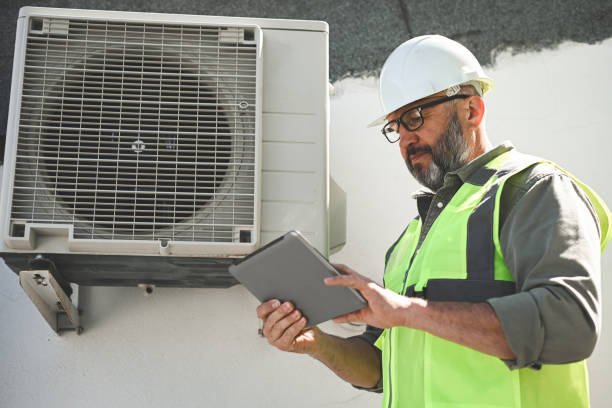
Air Conditioner Repairman Air conditioner repairman in uniform with a clipboard and tool bucket inspecting the AC unit.Take a look at my LIGHTBOXS with other related images. ac service stock pictures, royalty-free photos & images

A dirty air filter is one of the most common issues homeowners face with their air conditioning systems. While it may seem like a minor problem, it can lead to significant complications for your HVAC system, including reduced efficiency, increased energy costs, and even long-term damage. Understanding these problems and how to address them is essential for maintaining a functional and efficient AC system.

Common Problems Caused by a Dirty Air Filter

  1. Reduced Airflow
    A clogged or dirty air filter restricts airflow through the HVAC system. This can cause your AC unit to work harder than necessary to blow air throughout your home, leading to poor cooling performance.
  2. Increased Energy Bills
    When an air filter becomes clogged, your HVAC system consumes more energy to maintain desired indoor temperatures. Over time, this inefficiency significantly increases your electricity bills.
  3. Frozen Evaporator Coils
    Restricted airflow caused by dirty filters can result in evaporator coils becoming too cold, leading to ice buildup. This not only reduces cooling efficiency but can also cause permanent damage if left unchecked.
  4. Poor Indoor Air Quality
    A dirty air filter fails to capture dust, allergens, and other airborne particles effectively. Consequently, these contaminants circulate throughout your home and negatively impact indoor air quality.
  5. Premature System Wear and Tear
    The added strain on your HVAC system caused by restricted airflow leads to increased wear on components such as fans and compressors, shortening their lifespan.

How to Solve Problems Related to Dirty Air Filters

  1. Check your air filter at least once a month during peak usage seasons (summer and winter).
  2. Hold the filter up to light; if you can’t see light passing through it or if it appears visibly dirty, it’s time for a replacement.
  3. Replace disposable filters every 1-3 months depending on usage and environmental factors.
  4. Homes with pets or individuals with allergies may require more frequent replacements.
Filter Type Replacement Frequency
Fiberglass Filters Every 30 days
Pleated Filters Every 60-90 days
High-Efficiency Filters Every 6-12 months
  1. Upgrade Your Filters Consider upgrading from low-efficiency fiberglass filters to pleated or high-efficiency particulate air (HEPA) filters for better filtration and improved indoor air quality.
  2. Schedule regular maintenance appointments with an HVAC contractor.
  3. During routine servicing, professionals often clean or replace filters as part of their maintenance checklist.
  4. Educate Household Members Remind everyone in the household about the importance of keeping vents clear of obstructions (like furniture or curtains) that might further restrict airflow.

Pro Tip: Setting Reminders for Filter Replacement

To ensure you don’t forget about replacing the AC filter: – Set reminders on your phone or calendar. – Keep spare filters readily available so changes are quick and hassle-free.

Addressing problems caused by dirty air filters promptly not only enhances your AC system’s performance but also protects its longevity while improving overall comfort at home.

Identifying HVAC Ductwork Issues and Solutions with Orlando AC Repair

HVAC ductwork plays a crucial role in maintaining indoor air quality and ensuring the efficient operation of heating and cooling systems. However, over time, ductwork can develop issues that compromise system performance, increase energy bills, and negatively affect air quality. Below are some common signs of HVAC ductwork problems and practical solutions to address them.

Common Signs of HVAC Ductwork Problems

  1. Some rooms may be too hot or too cold compared to others.
  2. This often indicates leaks or blockages in the duct system.
    • Crushed or disconnected ducts.
    • Build-up of debris inside the ducts.
  3. Sudden spikes in energy usage may result from leaky ducts forcing your HVAC system to work harder.
  4. Rattling or whistling sounds might mean loose connections or holes in the ductwork.
  5. Excessive dust circulating throughout your home may indicate gaps or poorly sealed joints in your ducts.
  6. Persistent odors can be a sign of moisture build-up within ducts leading to mold growth.

Effective Solutions for HVAC Ductwork Issues

  1. Use mastic sealant or metal tape to close small leaks.
  2. Larger leaks may require professional-grade sealing services like aerosealing.
  3. Schedule regular duct cleaning to remove accumulated dirt, debris, and allergens.
  4. Ensure registers and grilles are unobstructed by furniture or other items.
  5. Replace crushed or disconnected sections of ductwork.
  6. Invest in durable materials like rigid sheet metal if replacement is needed.
  7. Add insulation around exposed ducts in non-conditioned spaces (e.g., attics, crawlspaces) to reduce energy loss.
  8. If mold is detected, hire a professional contractor specializing in HVAC mold remediation.
  9. Poorly designed systems can cause airflow imbalances; upgrading to a well-planned layout ensures even distribution across rooms.

Preventative Maintenance Tips

  • Schedule annual inspections with an experienced HVAC contractor.
  • Replace air filters every 1–3 months depending on usage and filter type.
  • Monitor energy bills for unusual spikes as an early indicator of potential problems.
Problem Likely Cause Recommended Solution
Uneven Room Temperatures Leaky/Disconnected Ducts Seal leaks; Repair damaged sections
Weak Airflow Blockage/Damaged Sections Clear blockages; Repair affected areas
High Energy Costs Leaks/Insufficient Insulation Seal & insulate ducts
Moldy Odors Moisture Build-Up Address moisture sources promptly

Addressing these issues promptly not only improves the efficiency of your HVAC system but also enhances indoor comfort while reducing costs over time. Always rely on qualified professionals for handling significant repairs or upgrades to ensure long-term reliability of your system’s performance.

Effective Tips for Orlando FL Air Conditioning Repair and Resolving Noisy HVAC Ductwork

Noisy HVAC ductwork is a common issue in homes and businesses that can disrupt comfort and signal underlying problems within your heating, ventilation, and air conditioning (HVAC) system. Understanding the causes of noisy ductwork and how to resolve these issues can help improve the efficiency, longevity, and overall performance of your system. Below, we explore practical solutions to address this problem effectively.

Common Causes of Noisy HVAC Ductwork

  • Expansion and Contraction of Metal Ducts: Temperature changes during heating or cooling cycles can cause metal ducts to expand or contract, leading to popping or banging noises.
  • Loose or Poorly Secured Ducts: Vibrations from airflow can cause ducts that are not securely fastened to rattle or shake.
  • High Static Pressure: Excessive air pressure within the ducts due to improper design or blockages may create whistling or loud airflow noises.
  • Air Leaks: Cracks or gaps in duct connections allow air to escape, resulting in hissing sounds.
  • Dirty Air Filters: A clogged filter makes it difficult for air to flow through the system, increasing noise levels.

Steps to Resolve Noisy HVAC Ductwork Problems

  1. Examine all visible duct sections for loose fittings or joints.
  2. Tighten screws or use metal tape/sealant where needed.
  3. Attach sound-dampening insulation around ducts to reduce vibrations and noise transmission.
  4. Foam padding can be applied at points where metal ducts contact surrounding structures.
  5. Identify leaks using a smoke pencil near suspected areas.
  6. Seal any cracks with mastic sealant or duct tape specifically designed for HVAC systems.
  7. Replace filters every 1–3 months (or as recommended by the manufacturer) to ensure unobstructed airflow.
  8. Speak with an HVAC contractor about adjusting damper settings in your system’s supply vents. This helps distribute airflow more evenly across all ducts.
  9. If DIY efforts fail, hire a licensed HVAC contractor who can assess whether extensive repairs, adjustments, or even duct replacement is necessary.

Preventative Measures for Quieter Ductwork

Technician repairing air conditioner at home Air conditioner maintenance or repair ac service stock pictures, royalty-free photos & images

Maintenance Task Recommended Frequency
Replace air filters Every 1–3 months
Schedule professional inspections Annually
Ensure proper installation During initial setup
Clean registers/vents Every 6 months

Benefits of Addressing Noisy Ductwork

  • Improved indoor comfort by eliminating distracting sounds
  • Increased energy efficiency through better airflow management
  • Preservation of HVAC equipment lifespan
  • Enhanced air quality due to reduced risk of leaks and contamination

Proactively managing your noisy ductwork not only ensures a peaceful living environment but also contributes significantly toward maintaining an efficient and reliable HVAC system over time.

Exploring Heat Temperature Sensitivity and Its Impact on Your HVAC System

Temperature sensitivity can significantly affect the performance and longevity of your HVAC system. Understanding how heat fluctuations influence your system’s operation allows you to make informed decisions, ensuring a more efficient and comfortable indoor environment. Below, we explore the concept of temperature sensitivity, its effects on your HVAC system, and practical steps to address related issues.

What is Heat Temperature Sensitivity?

Heat temperature sensitivity refers to the way an HVAC system responds to changes in temperature outside or within your home. Fluctuations in heat can create strain on critical components of your heating, ventilation, and air conditioning system, leading to inefficiencies or breakdowns over time.

Key Signs of Temperature Sensitivity in Your HVAC System

  • Uneven Heating or Cooling: Certain areas in your home feel noticeably warmer or cooler than others.
  • Increased Energy Bills: A sensitive system may overwork itself trying to adjust to fluctuating temperatures.
  • Frequent Short Cycling: The system turns on and off repeatedly within short intervals.
  • Unusual Noises: Grinding, banging, or other abnormal sounds during operation.
  • Poor Indoor Air Quality: Excessive dust buildup due to inconsistent airflow.

Identifying these signs early can help prevent further damage to the HVAC equipment and reduce repair costs.

How Heat Temperature Sensitivity Impacts Your HVAC System

  1. Strain on Components
    Rapid temperature changes force the compressor, blower motor, and other components to work harder than usual. This excessive strain may lead to premature wear-and-tear.
  2. Reduced Efficiency
    When your system struggles with temperature regulation, it consumes more energy. Over time, this results in higher utility bills without effectively maintaining comfort levels.
  3. Shortened Lifespan
    Persistent exposure to erratic temperatures shortens the lifespan of key parts like the evaporator coil and thermostat sensors.
  4. Inconsistent Comfort Levels
    Sensitive systems may struggle with maintaining a consistent indoor climate due to external weather patterns or internal discrepancies like poor insulation.

Solutions for Addressing Heat Temperature Sensitivity

  1. Schedule professional tune-ups at least twice a year (spring and fall) to ensure optimal performance.
  2. Inspect ductwork for leaks or blockages that could disrupt airflow distribution.
  3. Use high-quality insulation materials for walls, attics, and basements.
  4. Seal gaps around windows and doors using weatherstripping or caulk.
  5. Smart thermostats allow precise control of indoor temperatures based on outdoor conditions.
  6. Some models can learn patterns in usage behaviors over time for enhanced efficiency.
  7. Dirty filters can restrict airflow affecting how well the unit handles temperature changes.
  8. Replace filters every 1–3 months depending on usage levels and manufacturer recommendations.
  9. Divide your home into multiple zones with independent thermostats for better control over heating/cooling specific areas instead of relying solely on one thermostat setting across all rooms.
Solution Benefit
Regular Maintenance Improved efficiency & reliability
Upgrade Insulation Better energy retention
Smart Thermostat Precise temperature control
Replace Air Filters Enhanced airflow quality
Zoning Systems Customizable comfort

By implementing these measures with guidance from an experienced HVAC contractor if necessary, you can alleviate problems associated with heat temperature sensitivity while improving overall efficiency in your system’s operation.

How Orlando AC Service Experts Can Fix Loud Furnace Noises

A furnace is a critical component of your home’s HVAC system, especially during cold weather. However, if your furnace begins making loud or unusual noises, it can be both disruptive and a sign of a potential issue that needs attention. Understanding the causes behind these noises and how an HVAC contractor can resolve them will help ensure your system operates efficiently and safely.

Common Causes of Loud Furnace Noises

  1. Cause: These sounds often occur due to delayed ignition in gas furnaces. When gas builds up in the combustion chamber before igniting, it causes a small explosion, leading to these loud banging noises.
  2. Potential Risk: This can damage the heat exchanger over time and reduce the efficiency of your furnace.
  3. Cause: High-pitched squeals are typically caused by worn-out blower belts or issues with motor bearings.
  4. Potential Risk: If left unaddressed, these issues may lead to overheating or component failure within the system.
  5. Cause: Loose screws, bolts, or panels on your furnace can produce rattling when the unit is operating. It may also indicate a more serious problem with internal components becoming loose.
  6. Potential Risk: Ignoring this sound could lead to further mechanical wear and tear over time.
  7. Cause: Restricted airflow due to clogged filters or improperly sized ductwork often leads to whistling sounds.
  8. Potential Risk: Reduced airflow can force your unit to work harder than necessary, increasing energy costs and causing premature wear.
  9. Cause: A clicking noise may indicate problems with the ignition system or a faulty flame sensor in gas furnaces.
  10. Potential Risk: A malfunctioning ignition can compromise safety and prevent efficient heating.

Solutions Offered by an HVAC Contractor

  • Clean burners thoroughly to ensure proper gas flow.
  • Inspect and repair any issues with the ignition system or gas valve.
  • Replace worn blower belts.
  • Lubricate motor bearings where applicable.
  • Determine if motor replacement is necessary for long-term functionality.
  • Tighten loose connections on panels, bolts, or screws within the unit.
  • Perform a detailed inspection of internal components for signs of damage.
  • Replace dirty air filters regularly.
  • Inspect ductwork for blockages or improper sizing adjustments.
  • Check flame sensors for dirt buildup and clean them as needed.
  • Repair faulty ignition systems promptly to restore efficient operation.

Preventive Measures You Can Take

  • Replace air filters every 1–3 months depending on usage levels.
  • Schedule regular maintenance checks (at least once annually) with certified professionals.
  • Keep vents clear from obstructions like furniture or debris that could restrict airflow.
  • Monitor thermostat settings and avoid frequent temperature fluctuations that stress the system.

Table: Noise Types vs Potential Issues

Noise Type Common Cause Risk Level
Banging/Booming Delayed Ignition High (Heat Exchanger Damage)
Squealing Worn Belts/Motor Bearings Moderate (Overheating)
Rattling Loose Components Low (Wear Over Time)
Whistling Clogged Filters/Blocked Ducts Moderate (Reduced Efficiency)
Clicking Faulty Ignition System High (Safety Hazard)

Addressing furnace noise promptly not only ensures comfort but also improves energy efficiency and prolongs equipment lifespan—key benefits that make professional servicing indispensable. Always consult an experienced HVAC contractor for accurate diagnoses and expert repairs tailored to your heating system’s needs.


Multi-ethnic team of blue collar air conditioner repairmen at work. Multi-ethnic team of blue collar air conditioner repairmen at work. Man in foreground refers to digital tablet while other worker repairs unit using tools from tool box. ac service stock pictures, royalty-free photos & images

When it comes to maintaining a comfortable home environment, your air conditioning system plays a vital role. Here are the top indications that you might need an HVAC contractor for air conditioning replacement.

If your air conditioner requires frequent repairs, it may be more cost-effective to replace the system altogether.
Rising Costs: Are you spending more on repairs than the system is worth?
Recurrent Issues: Does the same issue keep returning despite professional fixes?
Warranty Expiry: Older systems without warranties often lead to higher out-of-pocket repair costs.

Most air conditioning systems are designed to last between 10–15 years with proper maintenance.
– Decreased energy efficiency compared to modern models. – Diminished cooling capacity over time. – Outdated technology that lacks compatibility with current standards.

Age of AC Unit Likely Action Needed Notes
< 10 Years Maintenance/Minor Repairs Ensure regular servicing
10–15 Years Evaluate Replacement Check energy efficiency standards
> 15 Years Replace Upgrade to modern technology

An aging or inefficient air conditioner can lead to higher utility bills due to reduced efficiency.
– Struggling to meet temperature demands.

– Running longer cycles than usual.

– Operating with outdated energy ratings (SEER).

Uneven cooling throughout your home is a common sign that your current system is no longer performing effectively.
– Failing components within the unit.

– Poor airflow from ducts or vents.

– A mismatch between your home’s size and the AC’s capacity.

Typically, modern systems operate quietly when functioning properly. Loud or unusual noises like grinding, banging, or squealing might indicate mechanical failure such as failing compressors or worn-out parts.

6. Use of Outdated Refrigerants (e. g.

Older systems often use R22 refrigerant, which has been phased out due to environmental concerns under EPA regulations. Replacing such units with eco-friendly alternatives will both align with current standards and provide long-term benefits for efficiency and sustainability.

Regular assessment by an HVAC professional can help determine whether repair or replacement is more suitable for your situation. Ignoring warning signs could result in additional operational costs down the road while also affecting comfort levels in your home. If you notice any of the above issues, consulting an experienced contractor promptly ensures peace of mind and optimal indoor climate control year-round.

Key Reasons to Choose an HVAC Company Orlando, FL for Modern Ducted Air Conditioning Systems

Ducted air conditioning systems have become a preferred choice for many homeowners due to their efficiency, aesthetics, and ability to deliver consistent temperature control throughout a property. These systems are central to creating a comfortable and energy-efficient living environment, particularly in modern homes designed with open layouts and larger spaces. Below, we explore why ducted air conditioning systems are essential for modern living and when consulting an HVAC contractor can be beneficial.

Key Benefits of Ducted Air Conditioning Systems

  1. Unlike traditional split systems or portable units, ducted air conditioning provides even cooling (or heating) across all rooms in the home.
  2. The system is controlled via a centralized thermostat, ensuring precise temperature management throughout the property.
  3. Ducted systems integrate seamlessly into ceilings, with only discreet vents visible.
  4. This eliminates the need for bulky wall-mounted units or window-based solutions that can obstruct views or impact interior design.
  5. When properly designed and installed by an experienced HVAC contractor, ducted air conditioning systems can contribute significantly to energy savings.
  6. Modern models often include zoning capabilities, allowing users to cool specific areas of the home rather than wasting energy on unoccupied spaces.
  7. The main operational components of ducted systems are typically located outside or in concealed areas like basements or attics.
  8. By placing key components away from living spaces, noise disruption is minimized compared to other types of air conditioners.

When Is a Ducted System Right for Your Home?

  • Home Layout: Open floor plans or multi-room properties benefit greatly from centralized cooling options.
  • Construction Stage: New builds make it easier to incorporate ductwork into walls and ceilings seamlessly during construction.
  • Budget: While installation costs may be higher upfront compared to alternative cooling solutions, the long-term energy savings often offset these expenses.

How an HVAC Contractor Can Assist

Installing and maintaining a ducted air conditioning system requires expertise.

  • System Design: Professionals assess your property’s layout and recommend a system tailored to your home’s unique needs.
  • Installation: Proper installation is crucial for efficient performance. An experienced contractor ensures that ductwork is sealed correctly and placed strategically for maximum airflow.
  • Maintenance Services: Regular servicing keeps your system operating efficiently while reducing wear-and-tear on critical components.
Service Provided Benefits Frequency
System Design Custom fit for optimal efficiency Once before install
Installation Services Proper sealing & placement During setup
Preventative Maintenance Prolongs equipment lifespan & reduces breakdown risks Annually

The Role of Advanced Technologies in Modern Systems

  • Smart thermostats allowing remote control via smartphones or voice assistants.
  • Energy-efficient inverter technology that adjusts compressor speeds based on current cooling demands instead of running at full capacity constantly.
  • Improved filtration systems that enhance indoor air quality by removing allergens and pollutants from circulating air.

By integrating these advancements with tailored solutions from an HVAC professional, homeowners can create a climate-controlled environment that balances comfort with energy efficiency.

Opting for a ducted air conditioning system ensures not only effective temperature management but also supports modern design preferences by maintaining clean lines within interiors while contributing towards sustainable living practices through reduced energy consumption. Always consider consulting an experienced HVAC contractor before making decisions about installation or replacement to ensure you achieve optimal results tailored specifically to your home’s needs.

Understanding Common Problems That Call for Orlando AC Repair Expertise

Maintaining a functional HVAC system is essential for comfort, energy efficiency, and indoor air quality. However, like any mechanical system, HVAC units can develop problems over time. Understanding the common issues that require the expertise of an HVAC contractor can help homeowners address them promptly and avoid costly repairs.

Common Problems That Necessitate Professional Help

  1. Airflow Issues
    If your HVAC system is not delivering adequate airflow, it could indicate:
  2. Clogged filters: Replace or clean filters regularly to maintain efficient performance.
  3. Ductwork leaks: Leaky ducts reduce airflow and waste energy.
  4. Blower motor problems: A failing motor needs repair or replacement by a licensed technician.
  5. Poor Cooling or Heating Performance
    When your unit struggles to heat or cool your home effectively, possible causes include:
  6. Low refrigerant levels due to leaks.
  7. Malfunctioning thermostats sending incorrect signals to the unit.
  8. Compressor failure, which often requires professional inspection.
  9. Unusual Noises During Operation
    Rattling, banging, or squealing noises may signal underlying issues such as:
  10. Loose components in the system needing adjustment or tightening.
  11. Worn-out belts requiring replacement.
  12. Debris inside the fan blades causing obstruction.
  13. Frequent Cycling On and Off
    Short cycling not only impacts comfort but also leads to higher energy consumption and wear on the system’s components.
  14. An oversized or undersized unit improperly fitted for your space.
  15. Thermostat miscalibration.
  16. Inconsistent Temperatures Throughout the Home
    Uneven heating or cooling in different rooms could be due to:

    • Blocked vents affecting airflow distribution.
    • Zoning issues within a multi-zone system.
    • Undersized ductwork obstructing effective air circulation.

Signs of Electrical Problems

Electrical issues in an HVAC system can be dangerous if ignored.

Issue Possible Cause Required Action
Tripped circuit breaker Overloaded circuit Inspection by a qualified contractor
Burning smell Faulty wiring or overheating Immediate shut-off and repair
Unit not powering on Damaged capacitor or relay switch Professional replacement of parts

Why Professional Expertise Matters

  • Accurate diagnostics using advanced equipment.
  • Safe handling of refrigerants as per environmental regulations.
  • Ensuring long-term efficiency through proper repairs and part replacements.

Addressing HVAC problems early by consulting a professional contractor can save you time, money, and prevent further damage to your heating and cooling systems over time. Prioritizing expert help ensures a comfortable living environment while protecting your investment in climate control solutions.

How to Identify Refrigerant Leaks with Orlando FL Air Conditioning Repair Services

Refrigerant leaks are one of the most common and potentially serious issues an air conditioning system can face. Identifying a refrigerant leak early is essential to maintaining the efficiency of your system, preventing costly repairs, and ensuring the comfort of your home or business. Below is an overview of how to identify refrigerant leaks and why addressing them promptly is critical.

Signs of a Refrigerant Leak

Refrigerant is a vital component that allows your air conditioning system to cool the air effectively. A leak can reduce its cooling capacity and lead to more significant operational problems.

  • Warm Air Blowing from Vents: If your AC is running but the air feels warm or less cool than usual, it could be due to low refrigerant levels caused by a leak.
  • Hissing or Bubbling Noises: A hissing sound near the refrigerant lines or evaporator coil often signals that refrigerant is escaping. In some cases, bubbling noises may indicate moisture entering the line due to the leak.
  • Increased Energy Bills: Refrigerant leaks force your AC system to work harder, which in turn consumes more energy and leads to higher utility costs.
  • Ice Buildup on Evaporator Coils: Insufficient refrigerant can cause the evaporator coils to drop below freezing temperatures, resulting in ice accumulation on the unit.
  • Unusual Humidity Levels Indoors: When refrigerants are leaking, your AC system may struggle to effectively manage indoor humidity levels.

Steps for Identifying Refrigerant Leaks

  1. Check for any visible ice buildup on coils or tubing.
  2. Look for oily residue around connections or fittings—this could be an indication of leaked refrigerants.
  3. Pay attention if cooling performance decreases over time despite regular maintenance.
  4. Keep track of unusual increases in energy bills as they might suggest inefficiencies caused by leaks.
  5. Listen closely near the AC unit for hissing sounds while it’s operating.

Tools Professionals Use to Detect Leaks

HVAC contractors use specialized tools and techniques for locating and diagnosing leaks accurately.

Tool/Technique Description
Electronic Leak Detectors Devices designed specifically for detecting small quantities of escaping refrigerants in an AC system.
UV Dye Tests A fluorescent dye injected into the system highlights leakage points when exposed under UV light.
Nitrogen Testing Pressurizing the lines with nitrogen helps find hard-to-detect leaks by listening for escaping gas sounds or monitoring pressure drops over time.

Why Timely Leak Detection Matters

Service technician testing a furnace. Service technician testing a furnace ac service stock pictures, royalty-free photos & images

Failing to address a refrigerant leak promptly can lead to numerous problems:
– Reduced lifespan of your air conditioning unit due to increased strain on components.
– Poor indoor air quality resulting from inadequate humidity control.

– Higher repair costs if minor issues escalate into major malfunctions.

By recognizing these symptoms and consulting with an experienced HVAC contractor when necessary, you can prevent further damage while ensuring reliable cooling performance throughout your property’s lifespan.

Why Inconsistent Temperatures Could Mean It’s Time for HVAC Replacement

Inconsistent temperatures within your living or working space can be frustrating and uncomfortable. Beyond inconvenience, fluctuating indoor temperatures often signal underlying issues with your HVAC system. Understanding these symptoms can help you determine whether it’s time to consider replacing your unit.

Common Causes of Temperature Variations

  1. Over time, HVAC systems lose efficiency due to wear and tear. Older systems may struggle to maintain consistent airflow or temperature regulation across all rooms.
  2. If your HVAC system is too small for the square footage it serves, it will have difficulty evenly heating or cooling the space. Conversely, an oversized system may short cycle, leading to uneven distribution of air.
  3. Damaged or improperly sealed ductwork can cause air to escape before reaching certain areas of the building. This results in hot and cold spots throughout the space.
  4. Faulty or outdated thermostats can lead to inaccurate temperature readings and uneven heating or cooling performance.
  5. Obstructions in vents force air to bypass certain areas, contributing to temperature inconsistencies across rooms.

Indicators That Replacement May Be Necessary

  • The unit is over 10-15 years old.
  • Repairs are becoming frequent and costly.
  • Energy bills are steadily increasing without a clear explanation.
  • Rooms remain excessively warm or cold even after adjusting the thermostat.

Benefits of Replacing an Outdated HVAC System

Benefit Description
Improved Comfort Modern systems offer better airflow control and more precise temperature regulation.
Energy Efficiency New models often feature advanced technology designed to minimize energy consumption.
Enhanced Indoor Air Quality Upgraded filtration systems reduce airborne contaminants for healthier living spaces.
Smart Features Many new units integrate with smart home devices, allowing remote management via apps.

Steps to Take Before Replacing Your System

  • Conduct a Professional Assessment: Hire an experienced contractor to inspect your current system’s performance and overall condition.
  • Evaluate Your Needs: Consider factors like the size of your property, local climate conditions, and energy efficiency goals when selecting a new unit.
  • Request Multiple Quotes: Compare estimates from different contractors to find quality service at competitive pricing.
  • Check System Compatibility: Ensure that ducts, vents, thermostats, and other components align with the new equipment specifications.

By addressing inconsistent temperatures promptly and consulting with an experienced HVAC professional, you can restore comfort while improving energy efficiency in your home or business setting.

Addressing Unpleasant Smells or Noises: When to Call an HVAC Professional

Unusual smells or noises coming from your HVAC system can be more than just a minor annoyance. These signs often indicate underlying issues that could compromise the efficiency and safety of your heating, ventilation, and air conditioning system. Understanding the root cause of these problems and knowing when to call an HVAC professional can save you time, money, and potential discomfort.

Common HVAC Odors and Their Causes

Different smells emanating from your HVAC system may point to specific concerns.

  • Could indicate dust burning off after long periods of inactivity.
  • In more severe cases, it might suggest an electrical issue or overheating components.
  • Often caused by mold or mildew in the ductwork or evaporator coils due to excess moisture.
  • May signal a natural gas leak—this requires immediate attention from a professional.
  • Could hint at refrigerant leaks, which not only reduce efficiency but also pose health risks.

If you notice any of these odors, it’s crucial not to ignore them. Diagnosing the problem early can prevent further complications.

Identifying Noises That Indicate Trouble

Strange noises from your HVAC system are another key indicator that something might be wrong.

  • May result from loose or broken parts within the motor or blower assembly.
  • Typically due to worn-out belts or failing motor bearings.
  • Could point to debris caught in the system or loose panels.
  • Often associated with refrigerant leaks, which need immediate repair by a licensed technician.

Ignoring these sounds can lead to costly repairs down the line. A trained HVAC contractor will have the tools and expertise to address these issues promptly.

The Risks of Delaying Professional Help

Issue Potential Risk
Ignored Burning Smells Fire hazards caused by electrical malfunctions
Mold Growth Poor indoor air quality leading to health problems
Refrigerant Leaks Reduced cooling efficiency and environmental damage
Mechanical Failures Complete system breakdown requiring costly replacements

Timely intervention by an HVAC professional ensures that your system remains safe, efficient, and reliable.

Steps You Can Take Before Calling a Professional

  1. Check for visible obstructions in vents or filters.
  2. Ensure that all panels on your unit are securely fastened.
  3. Replace air filters if they appear clogged with dust and debris.
  4. Turn off your HVAC system if you suspect electrical malfunctions for safety reasons.

If these measures don’t resolve the problem—or if the smell/noise persists—it’s time to contact an experienced HVAC contractor for a thorough inspection.

Addressing strange odors and unusual noises early helps extend the lifespan of your equipment while maintaining comfort and energy efficiency in your space.

The Impact of Inefficient Cooling Systems on Energy Costs and When to Replace

An inefficient cooling system can significantly impact your energy expenses, home comfort, and overall HVAC performance. Recognizing when your system is underperforming and understanding when replacement is necessary can save you money in the long run. Let’s explore how inefficient cooling systems affect energy costs, the warning signs to look for, and when it might be time to consider an upgrade.

How Inefficient Cooling Systems Drive Up Energy Costs

A poorly functioning air conditioning system consumes more energy to achieve your desired indoor temperature.
Aging Equipment: Air conditioners older than 10–15 years often run less efficiently, even if they’ve been well-maintained.

Dirty or Clogged Filters: Reduced airflow due to dirty filters forces your system to work harder.
Leaks in Ducts:Compromised ductwork causes cool air to escape before it reaches your living spaces.
Refrigerant Issues:Insufficient refrigerant levels or leaks reduce cooling capacity, increasing energy consumption.

By addressing these issues early or replacing an outdated unit, you can minimize unnecessary costs.

Signs Your Cooling System May Be Costing You More

Below are some indications that your HVAC system is impacting both energy efficiency and overall performance:
Frequent Repairs: If repair costs are adding up over time, investing in a new unit could be more cost-effective.
Inconsistent Room Temperatures: Uneven cooling throughout the house suggests inefficiencies within the system.

High Energy Bills: A sudden spike in electricity bills during peak cooling months often signals inefficiency.

Prolonged Operating Cycles: Longer run times mean the unit is struggling to maintain temperature settings.

Unusual Noises or Smells: Strange sounds or odors may indicate internal wear that affects performance.

When Should You Replace Your Cooling System?

Determining when it’s time for replacement depends on a few factors: age of the unit, repair history, and current efficiency levels.

Condition Suggested Action
System over 15 years old Consider upgrading to an energy-efficient model
Repair costs exceed half of new system price Opt for a replacement rather than ongoing fixes
SEER rating below modern standards (14 SEER or higher) Upgrade for better efficiency and lower costs

Newer models offer advanced features like variable-speed compressors and smart thermostats that enhance comfort while reducing energy use.

Benefits of Replacing Inefficient Systems

Investing in a high-efficiency air conditioning system offers several advantages:
Lower Utility Bills: Reduced energy usage directly impacts monthly expenses.
Improved Indoor Comfort: Modern systems maintain consistent temperatures and humidity control. Environmental Impact: Eco-friendly units consume less power, reducing carbon emissions. Increased Home Value: An efficient HVAC setup can boost property value during resale.

By addressing inefficiencies early and partnering with an experienced HVAC contractor for guidance, you’ll enjoy long-term financial savings without compromising comfort.

Selecting the Best Eco-Friendly Heating and Cooling Solutions with Your HVAC Contractor

As concerns about climate change and energy efficiency continue to grow, homeowners are increasingly seeking eco-friendly heating and cooling solutions. Partnering with an experienced HVAC contractor can help you navigate the various options available and ensure you make a choice that is both sustainable and cost-effective. Below, we explore how to select the best environmentally friendly systems for your home.

Why Choose Eco-Friendly HVAC Systems?

Eco-friendly HVAC systems not only reduce your environmental footprint but can also lead to significant savings on energy bills over time.

  • Lower Energy Consumption: Modern systems are designed to utilize less energy while maintaining optimal performance.
  • Reduced Greenhouse Gas Emissions: Environmentally friendly units minimize carbon emissions, helping combat climate change.
  • Enhanced Indoor Air Quality (IAQ): Many eco-friendly options prioritize improving IAQ by reducing pollutants.
  • Eligibility for Tax Credits and Incentives: Governments at various levels often provide financial incentives for installing energy-efficient systems.

Key Features to Look For

  1. Look for units labeled with the Energy Star certification, as these meet strict energy efficiency guidelines set by the U. S. EPA.
  2. Systems with variable-speed motors adjust output based on current needs rather than running at full capacity all the time.
  3. These systems use natural heat from the ground or water source, offering one of the most sustainable methods of heating or cooling a home.
  4. Higher SEER ratings indicate greater energy efficiency in air conditioning units.
  5. Opting for solar-powered HVAC systems allows you to tap into renewable energy sources directly.

Steps in Selecting the Right System

Your HVAC contractor plays a vital role in helping you identify which system best suits your home’s needs.

  1. Performing an Energy Audit
    A professional contractor will evaluate your current system’s performance, insulation levels, and overall energy usage to guide their recommendations.
  2. Considering System Size Requirements
    Installing an improperly sized unit can lead to inefficiencies and higher costs. Contractors will calculate load requirements based on your home’s square footage, insulation quality, and climate zone.
  3. Recommending Smart Thermostats
    Smart thermostats enhance eco-friendliness by learning your usage patterns and providing better control over temperature settings remotely via apps.
  4. Exploring Renewable Energy Options
    Contractors may suggest integrating renewable technologies such as solar panels or geothermal heat pumps depending on feasibility.

Cost Comparison Table

System Type Upfront Cost Annual Savings Lifespan
Traditional AC Unit $2,500-$5,000 $150-$300/year 10-15 years
Geothermal Heat Pump $10,000-$30,000 $300-$600/year 20+ years
Solar-Powered System $15,000-$25,000 $400-$700/year 20+ years

Questions to Ask Your Contractor

  • What rebates or incentives are available for installing this system?
  • How does this option compare in efficiency versus my current setup?
  • What maintenance requirements should I expect?
  • Can this system integrate with smart home technology?

Selecting an environmentally responsible heating or cooling system is not just about upgrading your home’s comfort; it’s a long-term investment in sustainability and financial savings. Collaborating with a knowledgeable HVAC contractor ensures that every factor—from cost considerations to environmental impact—is taken into account when making this important decision.